

TL:DR
Best Paint Types for Home Projects
- Latex (Water-Based): Flexible, quick-drying paint with acrylic or vinyl-acrylic binders; ideal for interior walls and ceilings. Pros: Fast dry time, easy cleanup with soap and water, low-VOC for healthier air. Cons: Less durable for high-wear spots compared to oil-based options.
- Oil-Based (Alkyd): Solvent-based for smooth, hard finishes with great flow; suited for trim, doors, and high-traffic areas. Pros: Superior durability and scuff resistance. Cons: Slow drying, needs solvent cleanup, and requires good ventilation.
- Acrylic (Exterior-Grade): Water-based with acrylic polymers for weather resistance; best for exteriors like weatherboards and cladding. Pros: UV/moisture protection and flexibility to avoid cracks. Cons: Takes moderate time to dry and needs proper priming.


Best Paint Types for Your Home Projects:
How to Choose the Right Paint and Finish for Every Room and Surface
Choosing the best paint types for your home projects determines how long finishes last, how easy surfaces are to clean, and how healthy the indoor environment remains. This guide explains core paint categories, sheen choices, and surface-specific recommendations so homeowners can match paint chemistry and finish to room usage, substrate, and local climate needs.
After a practical overview of latex, oil-based, and acrylic systems, the article compares finishes from matte to high-gloss, highlights options for wet rooms like kitchens and bathrooms, and covers exterior solutions suited to Christchurch and New Zealand timber.
For readers who prefer professional support, Pro Decorators—a second-generation, family-owned painting company based in Christchurch—offers expert advice, low-VOC product options, and meticulous preparation to ensure durable, healthy results.
The sections ahead will help you select paints for interior walls, trims, exteriors, and decks, explain preparation and maintenance, and show when to call in professional help for best outcomes.
What Are the Core Paint Types for Home Projects?
Core paint types fall into three practical categories: water-based latex, solvent-based oil (alkyd), and acrylic systems designed for interior or exterior use. Each type differs by binder chemistry, drying behavior, durability, and cleanup method, which determines best use for walls, trims, and external cladding. Understanding these differences helps homeowners choose paints that balance longevity, appearance, and environmental impact. Professionals often specify brand formulations; Pro Decorators commonly works with Dulux and Resene products and prefers low-VOC options to reduce odor and improve indoor air quality.
Different paint types have distinct practical attributes:
| Paint Type | Base | Drying Time | Durability | Cleanup | Best Use |
|---|---|---|---|---|---|
| Latex (water-based) | Water | Quick (touch dry within hours) | Good for interiors | Soap and water | Interior walls, ceilings |
| Oil-based (alkyd) | Solvent | Slow (longer cure) | Excellent hardness and leveling | Solvent cleanup | Trim, doors, high-traffic joinery |
| Acrylic (exterior-grade) | Acrylic polymer in water | Moderate | High UV and moisture resistance | Soap and water | Weatherboards, external cladding |
This comparison clarifies when each system is appropriate for common home projects and sets the stage for deeper discussion of interiors, trims, and exteriors below.
How Does Latex Paint Suit Interior Walls and General Use?
Latex paint is a water-based coating whose acrylic or vinyl-acrylic binders deliver flexibility, quick drying, and straightforward cleanup, making it the default choice for most interior walls and ceilings. The mechanism—acrylic polymers forming a durable film as water evaporates—gives good washability and resistance to yellowing, while low-VOC latex formulations reduce odor and health impacts during application and curing.
For living rooms, bedrooms, and hallways, a mid-quality latex with an eggshell or low-sheen finish balances appearance and cleanability without demanding solvent cleaners. Transitioning from general use to high-traffic zones, consider higher-sheen latex or specialist washable formulations to extend surface life and simplify maintenance.
What Are the Benefits and Uses of Oil-Based Paint for Durability?
Oil-based (alkyd) paint relies on solvent-borne binders that provide exceptional flow, levelling, and surface hardness after curing, which is why professionals specify it for trim, stair spindles, and exterior joinery where wear resistance matters. The chemistry produces a smoother finish that resists scuffs, but longer drying and solvent cleanup make it less convenient for large interior walls, and many suppliers now offer hybrid or fast-drying alkyd alternatives.
Use oil-based systems when restoration of high-wear timberwork or creating a highly durable gloss finish is required, while balancing ventilation and solvent-handling precautions during application. For many renovation projects, modern waterborne alternatives match alkyd performance without solvents, so consult product specifications when durability is critical.
How Do Different Paint Finishes Affect Appearance and Durability?
Sheen level controls how light reflects from a painted surface, which affects perceived colour, the visibility of flaws, and cleanability. From matt and flat through eggshell, satin, and semi-gloss to high gloss, each finish balances hide versus washability and should be selected according to room function and surface condition. Choosing the right sheen helps manage maintenance expectations: low-sheen hides imperfections but stains more easily, while higher-sheen finishes are washable but emphasize surface flaws.
Paint finish comparison to guide room selection:
| Finish | Sheen Level | Washability | Best Use | Hides Imperfections |
|---|---|---|---|---|
| Matt/Flat | Very low | Low | Low-traffic living spaces, ceilings | High |
| Eggshell | Low | Moderate | Living rooms, bedrooms | Moderate |
| Satin | Medium | High | Hallways, family rooms, kitchens | Moderate |
| Semi-gloss | High | Very high | Bathrooms, kitchens, trims | Low |
| High-gloss | Very high | Very high | Doors, cabinetry, feature trims | Low |
Below are actionable lists showing where each finish commonly performs best, followed by practical tips for matching finish to location.
- 1Use matt or flat finishes in bedrooms and formal living areas to conceal minor wall flaws.
- 2Choose eggshell for general-purpose living spaces where a balance of aesthetics and cleanability is needed.
- 3Select satin or semi-gloss for hallways, kitchens, and bathrooms where frequent cleaning is expected.
Selecting the right sheen reduces repaint frequency and improves long-term satisfaction; next, we explore specific recommendations for wet rooms and moisture-prone areas.
When Should You Choose Matte or Flat Finishes for Your Walls?
Matte and flat finishes are useful when wall surfaces have texture or minor imperfections because their low reflectivity hides bumps and repair lines common in older homes. The mechanism is simple: diffuse light rather than reflecting it, which softens the appearance of uneven plasterboard or patch repairs common in older homes.
Use matte finishes in bedrooms and formal spaces where cleaning demands are modest and a soft, contemporary appearance is desired, but avoid them in kitchens, bathrooms, or high-traffic corridors that need regular wiping. When pairing matte walls with trim, select a higher-sheen trim finish to provide contrast and easier maintenance without sacrificing the wall’s forgiving look.
What Are the Advantages of Eggshell, Satin, and Semi-Gloss Finishes?
Eggshell, satin, and semi-gloss finishes progressively increase washability and surface resilience while altering how colour and light read in a room; satin delivers a versatile middle ground, and semi-gloss offers robust cleanability for wet areas. Eggshell suits lounges and bedrooms where occasional scuffs occur, while satin is appropriate for family rooms and hallways that need more frequent cleaning. Semi-gloss is best for kitchens, bathrooms, and trim where moisture and grease require tougher finishes; its reflective quality often makes paint colours appear slightly brighter, so test samples before committing.
Considering how sheen affects maintenance and perceived colour will streamline both painting and ongoing care.
Moisture-Resistant Paint Picks for Bathrooms and Kitchens
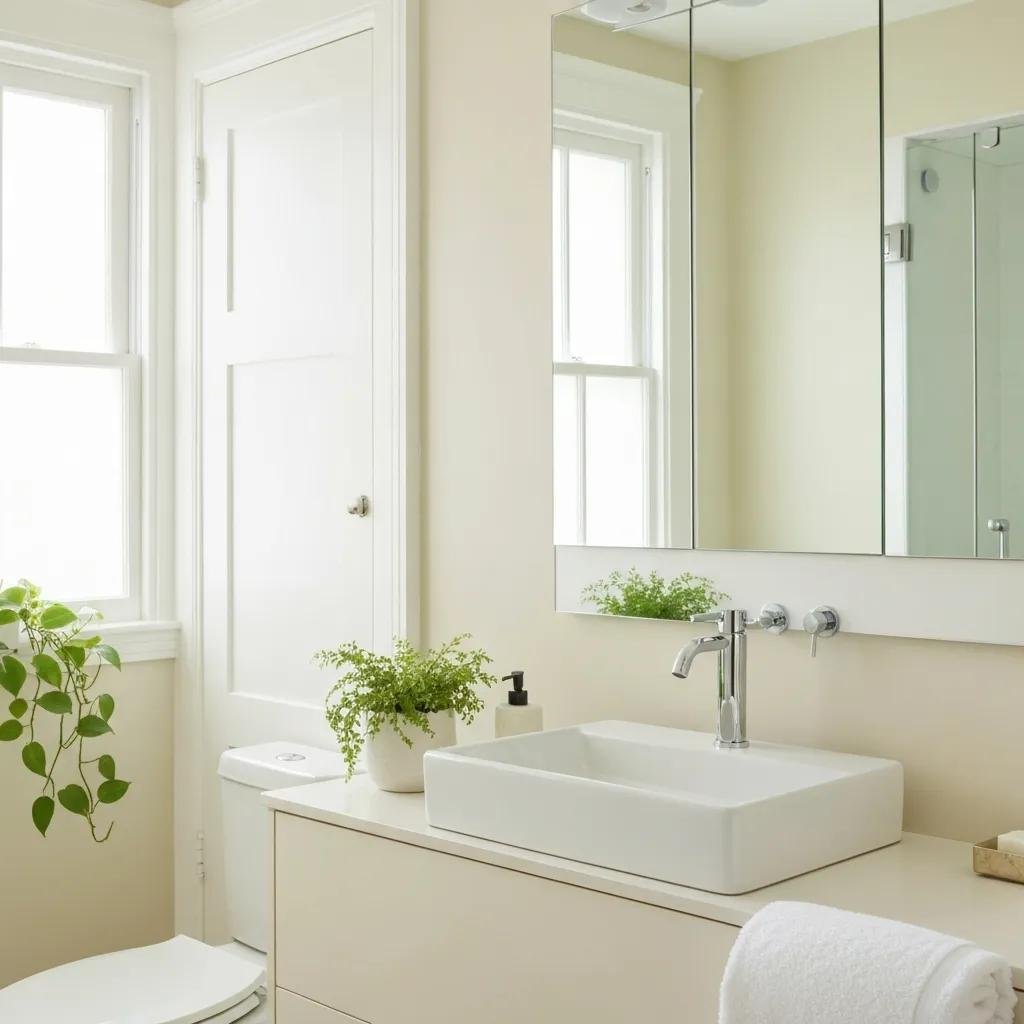
For bathrooms and kitchens, choose formulations and finishes that resist moisture absorption, mildew growth, and frequent cleaning cycles. Satin and semi-gloss finishes excel because higher sheen reduces surface porosity and makes cleaning with mild detergents effective, while mildew-resistant additives in some acrylic formulations further protect surfaces. Proper substrate preparation—including priming and sealing of GIB (plasterboard) joints or kitchen splashbacks—is equally important to prevent moisture ingress and paint failure. Pro Decorators applies moisture-resistant paint systems and the correct primers and sealants to wet rooms to ensure coatings adhere properly and resist mold and peeling over time.
When painting wet rooms, the combined approach of the right sheen, mildew-resistant formulations, and careful surface preparation leads to the best long-term performance and fewer touch-ups.
Why Are Semi-Gloss and Satin Finishes Recommended for Moisture Resistance?
Semi-gloss and satin finishes provide a tighter, less absorbent surface that stands up to splashes, steam, and wiping, helping prevent moisture from penetrating the film and substrate. The physical reason is that higher-gloss binders create a smoother film with fewer micro-pores, so contaminants and water sit on the surface and can be removed more easily.
For bathroom walls, ceilings, and kitchen splashbacks, choosing a semi-gloss where cleaning is frequent reduces staining and microbial growth when paired with good ventilation. Professional application with appropriate primers further enhances adhesion and long-term resistance to peeling and blistering under humid conditions.
What Paint Formulations Offer the Best Protection Against Humidity and Mildew?
Acrylic-based paints with anti-mold additives and low-VOC mildewcides provide robust protection in humid areas without producing strong odors during application. These formulations combine flexible acrylic binders that tolerate substrate movement with proprietary mildewcide additives that inhibit fungal growth on the paint surface.
When surfaces are porous or previously affected by mold, use a stain-blocking primer and ensure full mold remediation before painting to prevent re-colonization. Selecting certified mildew-resistant products and applying them according to manufacturer instructions, along with ensuring adequate ventilation, yields reliable protection for kitchens and bathrooms.
What Are the Most Durable Exterior Paint Types for Christchurch’s Climate?
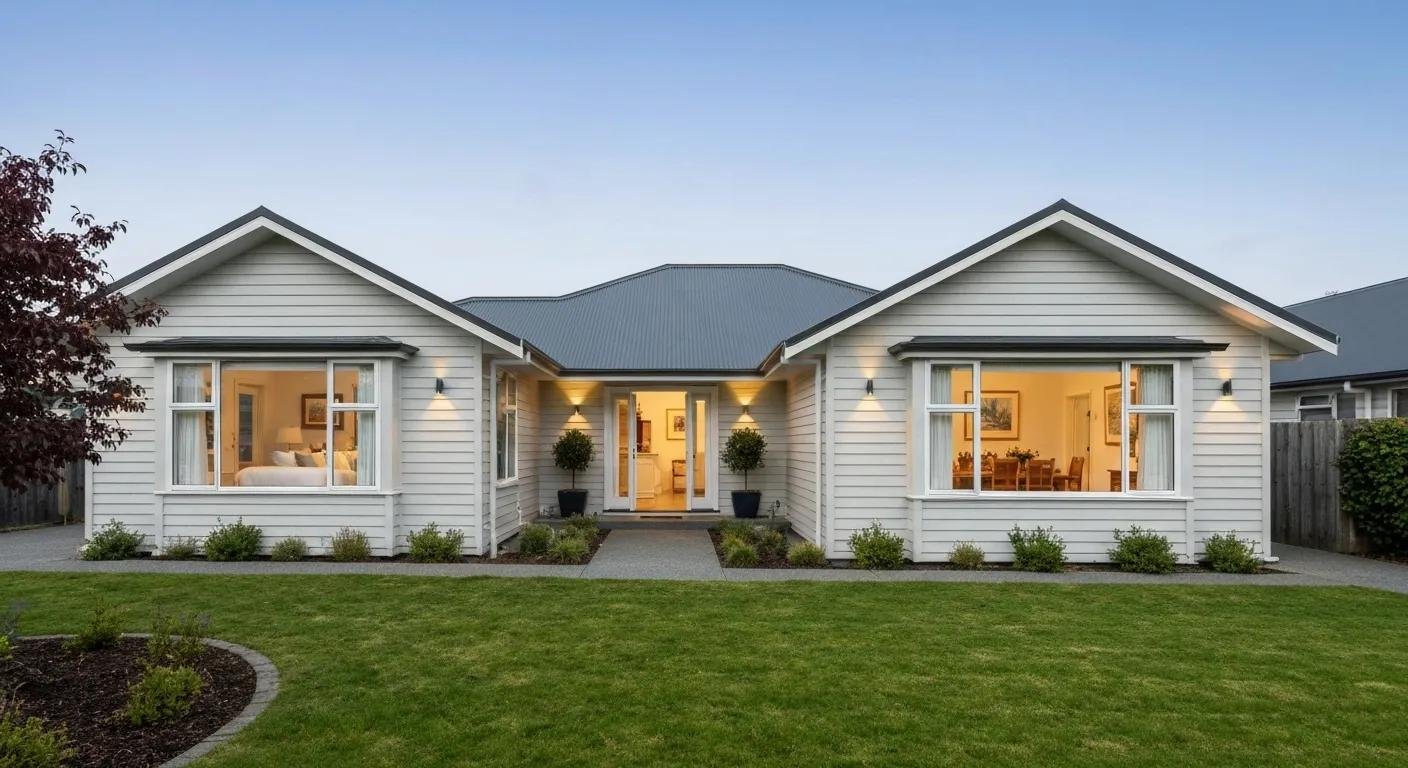
Christchurch’s temperate maritime climate exposes exteriors to UV, wind-driven rain, and seasonal temperature swings, so exterior systems must resist UV degradation, moisture ingress, and substrate movement. Acrylic exterior paints are typically recommended for weatherboards, fiber cement, and timber cladding because acrylic polymers offer elasticity, strong adhesion, and excellent UV resistance.
Choosing the correct primer, performing timber repairs, and allowing proper drying between coats are essential steps to prevent peeling and premature failure. The table below maps recommended exterior product categories to local substrates and expected performance factors.
| Product / Category | Weather Resistance | UV Resistance | Recommended Substrate | Brand Examples |
|---|---|---|---|---|
| Acrylic exterior paint | High | High | Weatherboards, fiber cement | Dulux, Resene (professional lines) |
| Solid timber coating | High | Moderate-High | Decking, exterior joinery | Resene/Dulux exterior stains & coatings |
| Transparent / semi-transparent stain | Moderate | Variable | Decks, fences, cedar | Timber stains for penetrating protection |
Selecting appropriate exterior coatings and maintenance schedules tailored to local exposure reduces repaint frequency and conserves timber substrates for longer.
How Do Acrylic Paints Protect Weatherboards and Exterior Cladding?
Acrylic paints form a flexible film that stretches and contracts with timber and cladding materials, reducing cracking and loss of adhesion caused by temperature and moisture cycles. This flexibility, combined with pigments and UV stabilizers in professional exterior formulations, slows colour fade and binder breakdown under solar exposure.
For weatherboards and painted cladding, thorough surface preparation including sanding, timber repairs, and priming ensures proper adhesion and extends service life. Regular inspections and preventative maintenance—such as prompt repair of damaged boards and timely repainting of exposed facades—preserve protection and appearance year after year.
Which Paints and Stains Are Best for Decks and Fences in New Zealand?
Decks and fences benefit from either penetrating stains or surface coatings depending on desired look and maintenance willingness; transparent and semi-transparent stains penetrate timber and highlight grain, while solid coatings provide stronger UV protection and colour stability.
Penetrating stains typically require more frequent reapplication but are easier to maintain in small sections, whereas solid deck paints give longer-lasting colour but will eventually need full re-coating and more intensive preparation. For New Zealand conditions, select products formulated for timber movement and provide regular cleaning and re-sealing cycles to minimize wood degradation and slipperiness on deck surfaces.
How Do Latex and Oil-Based Paints Compare for Home Renovation Projects?
Comparing latex and oil-based paints involves trade-offs between drying speed, durability, cleanup, and the finish characteristics required by the project. Latex paints dry quickly, allow faster recoats, and clean up with soap and water, which reduces household disruption during renovations. Oil-based paints cure to a harder finish and level better for trim and doors but require solvents for cleanup and longer recoat intervals. For renovation planning, match the coating to the substrate and timeline: use latex for large wall areas and oil-based or hybrid products for trims and doors where a durable, glossy finish is desired.
Choosing the correct system reduces touch-up work and helps meet renovation deadlines with minimal compromise on quality.
What Are the Differences in Drying Time, Durability, and Cleanup?
Latex coatings typically reach touch-dry within hours and can be recoated within a day under suitable conditions, while oil-based paints require longer drying and full curing times that can extend several days to weeks for maximum hardness. Durability differences depend on binder chemistry: oil-based films often offer excellent abrasion resistance initially, but modern acrylic and waterborne alkyds now match or exceed that performance without solvent use.
Cleanup is straightforward with latex—warm water and detergent—versus mineral spirits or specialized solvents for oil systems, which increases handling considerations. Consider environmental and household disruption factors when selecting between these systems for renovation projects.
Research into water-borne coatings demonstrates that advancements are enabling them to emulate the performance of oil-based coatings while significantly reducing volatile organic compounds (VOCs).
Which Paint Type Is Best for Specific Surfaces and Project Needs?
Match paint type to surface: use water-based latex for most interior walls and ceilings, opt for higher-sheen or hybrid products on trims and doors to resist scuffs, and select acrylic exterior systems for cladding and weatherboards. Masonry and metal often require specialized primers and coatings tailored to substrate chemistry to ensure adhesion and corrosion resistance. For kitchen splashbacks, choose washable, mildew-resistant acrylics and combine with appropriate sealing around joints. When in doubt, prioritize surface preparation and priming: the right primer often determines the success of the finish more than the topcoat alone.
How Does Pro Decorators Help You Choose the Best Paint Types and Finishes?
Pro Decorators provides local expertise that combines product knowledge, meticulous preparation, and practical guidance to help homeowners choose paints and finishes suited to Christchurch conditions and domestic needs. The company emphasizes low-VOC product options from professional lines such as Dulux and Resene, performs necessary GIB repairs and carpentry prep, and applies coatings using industry-standard techniques for long-lasting results.
Services and benefits homeowners can expect:
The widespread adoption of low-VOC paints aims to mitigate issues like sick building syndrome, though the precise impact of reduced VOC levels is still being quantified.
Pro Decorators backs workmanship with a five-year guarantee on eligible projects and invites homeowners to request a free estimate to assess scope and recommend the most appropriate paint system for each project.
In Conclusion
In conclusion, this article has outlined paint chemistry, finish choices, moisture strategies, and exterior options tailored to Christchurch and New Zealand homes. With the right product, finish, and preparation, most household painting projects achieve durable, attractive results—and Pro Decorators is available to provide local professional support when needed. By following key steps—inspecting, cleaning, repairing, sanding, and priming—you can achieve professional results that withstand the region's variable climate. For expert handling of complex prep like Level 5 plastering or GIB repairs, contact Pro Decorators today for a free estimate and transform your Christchurch home with confidence.