
Understanding the Importance of Primer
Is Paint Primer Necessary
Alright, let's talk about primer. You might wonder, why bother with that extra step before painting? Well, primer is like the unsung hero of a paint job. It preps the wall, making sure your paint sticks properly and doesn't peel or chip over time. Imagine painting on a surface that's all porous and uneven – without primer, your paint could end up looking patchy.
Primer seals those porous surfaces, whether it's GIB or masonry, so you get a smooth finish. Plus, primer helps hide any old stains, discolorations, or even darker paint colours that could mess with your new, vibrant coat. This is super handy when you're switching from a dark to a light colour. It acts as a buffer, so the old colour doesn’t bleed through and ruin your new look.

There are different primers for different surfaces. For example, water-based primers are perfect for GIB and plaster, while oil-based ones work wonders on wood, metal, and heavily stained areas. There are even bonding primers for tricky surfaces like tile or glass. Picking the right one can really up your painting game, making your finish look flawless and last longer.
Both pros and DIY enthusiasts agree: using primer is a game-changer. It lays a solid foundation for your paint, giving you a finish that looks professional and lasts.
When to Use Primer: Situational Considerations
So, when exactly should you use primer? If you’re painting over a dark colour, definitely use primer. Dark shades can bleed through lighter ones, messing up the colour you want. A good primer, especially a white or tinted one, will block those old colours and give you a clean slate.
Switching from glossy to matte paint? You’ll need primer too. Glossy surfaces don’t hold paint well, so primer helps the new paint stick and smooth out the finish. There are primers made just for glossy surfaces that can make your job easier.
Got stains on your walls from water, smoke, or even crayon marks? Primer can seal those in so they don’t show through your fresh coat of paint. It’s especially useful on new GIB, which can be more porous and soak up paint unevenly without a primer.
There are times when you can skip the primer, though. If you’re painting a similar colour on a surface that’s already in good condition, primer might not make a big difference.
Types of Primers and Their Applications
When you're picking a primer, it helps to know the basics. Choosing the right primer depends on what you’re working with and what you need it to do. Getting this right sets you up for a successful paint job.
Water-Based
Water-based primers are easy to use and dry quickly. They're great for drywall and previously painted surfaces, plus they don’t smell too strong and are easy to clean up with water.
Oil-Based
Oil-based primers are tougher on stains and perfect for wood or masonry. They're durable and ideal for high-traffic areas but take longer to dry and need solvents for cleanup.
Shellac
Then there’s shellac primers, which are super versatile. They stick to almost any surface, even glossy ones, and are great for sealing knots and resin in wood. They dry fast but need denatured alcohol for cleanup.
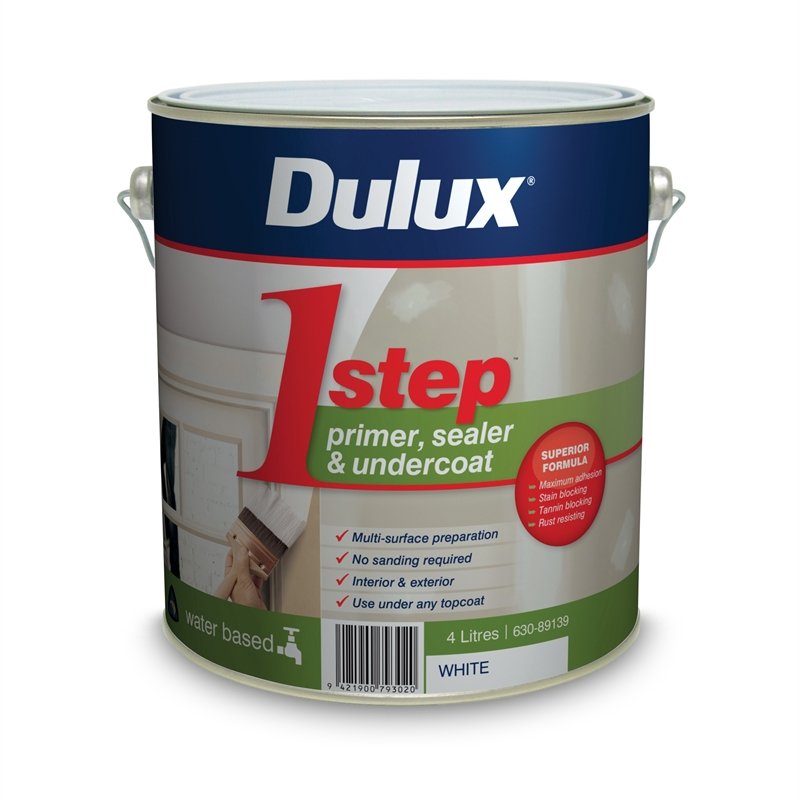
Dulux -1Step® Prep Water Based Primer Sealer Undercoat
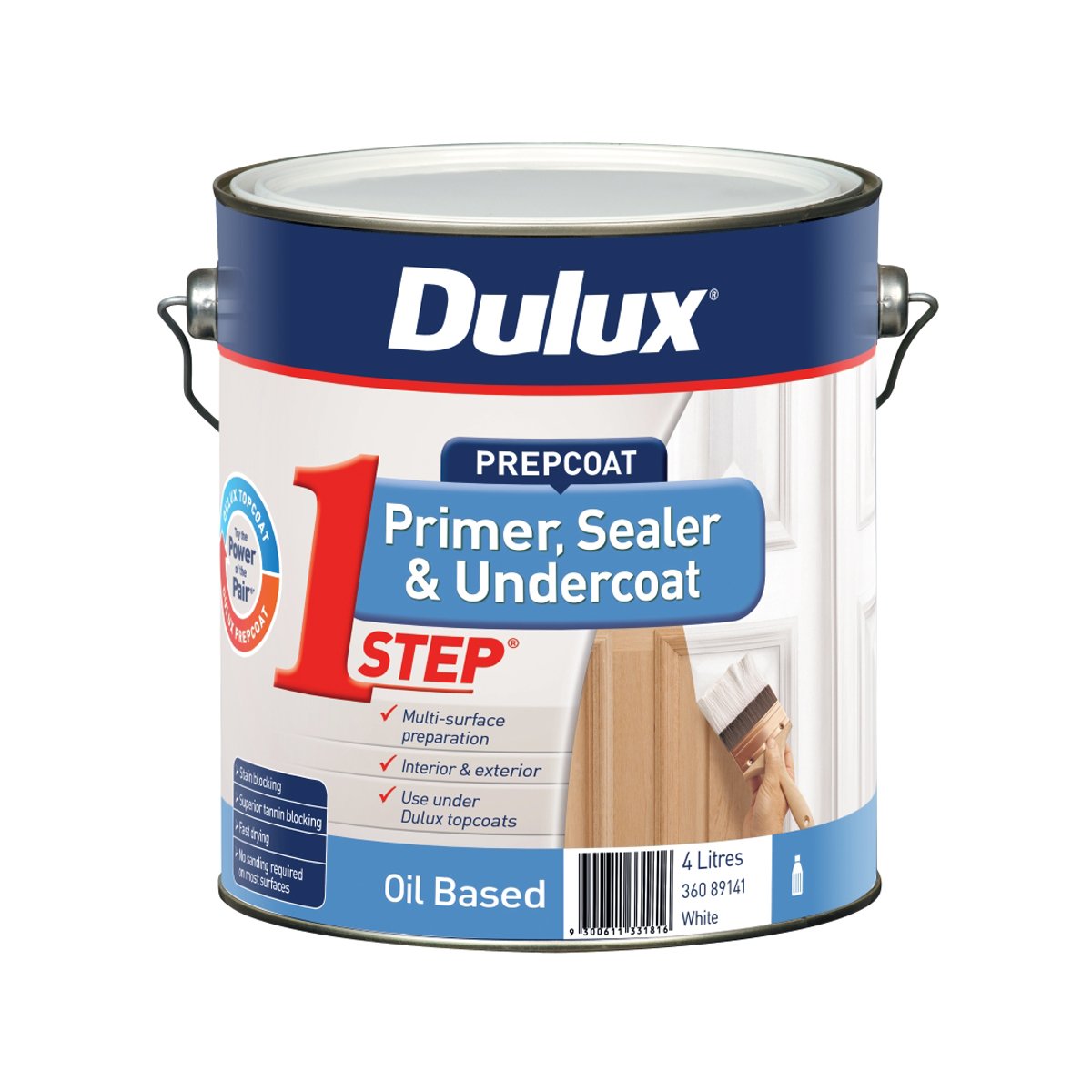
Dulux -1Step® Prep Oil Based Primer Sealer Undercoat
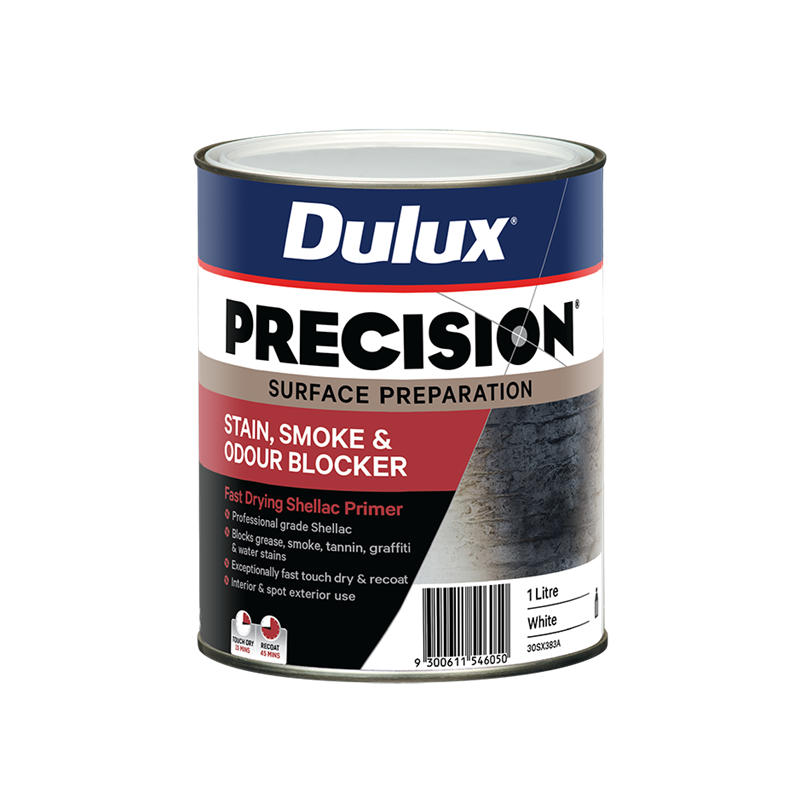
Dulux - PRECISION Stain, Smoke & Odour Blocker
Step-by-Step Guide to Priming Walls Before Painting
Ready to prime? Here’s a step-by-step guide:
Step 1
Gather Supplies: You’ll need a good primer for your wall type, brushes, rollers, painter's tape, and drop cloths.
Step 2
Prep the Room: Move furniture or cover it with drop cloths.
Step 3
Clean the Walls: Remove dirt, grease, and grime. Patch any holes or cracks and sand them smooth.
Step 4
Tape Off Areas: Use painter's tape along edges to keep your lines clean.
Step 5
Apply Primer: Use a brush for edges and corners, then a roller for larger areas. Apply an even layer.
Step 6
Let It Dry: Follow the drying time on the primer’s instructions, usually 1-4 hours.
Step 7
Inspect and Re-coat: Check for any missed spots or imperfections. If needed, sand lightly and apply a second coat.
Bringing Your Decor Vision to Life
Avoid rushing through these steps.
Skipping prep or not letting the primer dry properly can mess up your final result.
Taking your time with primer means your paint will look better and last longer, making your interior paint project the talk of the town!