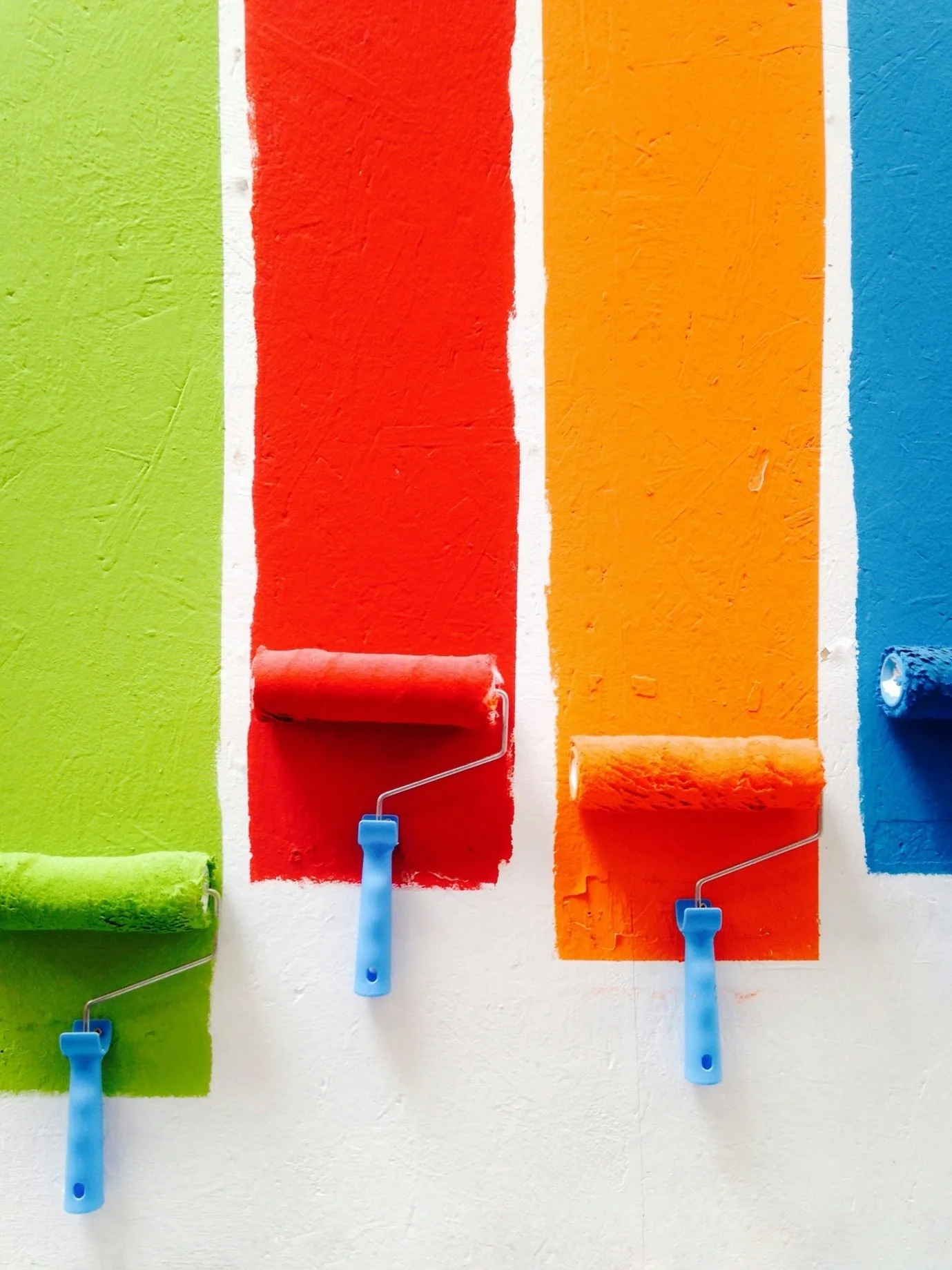
Determining how often to paint your house interior is dependent on several factors, particularly the quality of the existing paint, the specific type of room, and environmental influences.
High-quality paint can significantly extend the lifespan of your interior walls, often lasting between five to ten years. In contrast, lower-quality options may begin to show signs of wear much sooner, necessitating more frequent repainting.
What factors should I take into account?
Type of Room: The type of room also plays a crucial role in the decision-making process. For example, kitchens and bathrooms typically experience more moisture and grease, leading to stains and wear. These environments may require repainting every three to five years to maintain both aesthetics and hygiene. Conversely, living rooms or bedrooms, which experience less wear and tear, can reasonably go up to seven to ten years without a fresh coat of paint.
Environmental Influences: Additionally, environmental influences such as humidity and sunlight exposure should not be overlooked. Rooms that receive a significant amount of direct sunlight can experience faster paint fading and deterioration, which may necessitate more regular upkeep. Likewise, higher humidity levels can lead to mould growth, which can damage painted surfaces and create a need for more frequent maintenance.
Regular repainting offers numerous benefits beyond maintaining aesthetic appeal. Fresh paint not only enhances the look of your living space but also provides a protective layer against wear and tear.
By addressing any paint deterioration early on, homeowners can protect their walls from damage that may lead to more significant repair costs down the line.
Furthermore, a well-maintained interior contributes positively to the overall property value, making it an essential aspect of homeownership.
The Importance of Using High-Quality Paint
When contemplating an interior painting project, one of the most critical factors to consider is the quality of paint being used.
High-quality paint is essential not only for achieving a visually appealing finish but also for ensuring the durability and longevity of the painted surfaces.
Superior paint products are formulated with advanced technology designed to enhance aspects such as coverage, adhesion, and colour retention.
The durability of high-quality paint is a significant advantage. Paint manufactured from premium materials is more resistant to common wear and tear, including scratches, stains, and fading. This resilience allows painted surfaces to withstand the rigours of daily life, keeping them looking fresh and vibrant for an extended period. In contrast, lower-quality paints may require more frequent touch-ups and repaints, which can lead to increased costs over time.
Additionally, the coverage provided by high-quality paint is notably superior. A lesser quality product might necessitate multiple coats to achieve the desired shade and opacity, whereas a well-formulated paint often requires fewer coats, saving both labour and time during the painting process. This efficiency not only enhances the overall experience but also alleviates the frustration that can come with applying excessive layers.
Colour retention is another essential factor. Premium paints typically include higher concentrations of pigments, which help maintain the vibrancy of the hue over time. This is a significant benefit in areas exposed to sunlight, as many low-quality paints tend to fade rapidly, detracting from the interior aesthetics. Moreover, high-quality paint can contribute positively to the indoor environment by reducing the chances of mould growth, a concern in humid climates.
Many superior brands offer formulations resistant to mildew and other unpleasant surprises, which can pose health risks to inhabitants. Dulux's Wash&Wear® +PLUS Super Hide Low Sheen is a great example of this type of paint product. Hence, opting for high-quality paint is not merely an aesthetic choice, but a practical decision that pays off significantly in the long run.
Pros and Cons of Frequent Interior Painting
Choosing to repaint the interior of your home is a significant decision that comes with both advantages and disadvantages. Understanding these can help homeowners make informed choices about the frequency of interior painting. Below are five pros and cons to consider.
Pros
Aesthetic Appeal: Regularly painting your interior enhances the visual appeal of your home. Fresh paint can brighten spaces, add vibrancy, and allow for seasonal colour changes, making your living environment more pleasant and inviting.
Increased Property Value: A well-maintained and impeccably painted interior can positively affect the market value of your property. Prospective buyers often favour homes that are move-in ready, and a recent paint job can significantly contribute to that impression.
Damage Prevention: Frequent painting can act as a preventive measure against wear and tear. It allows homeowners to spot issues such as mould, moisture damage, or peeling paint early, ultimately protecting the structural integrity of the home.
Personal Expression: Repainting the interior enables homeowners to express their personal style more effectively. By refreshing the colours, homeowners can create spaces that resonate with their aesthetics and change themes as desired.
Improved Air Quality: Quality paints often contain low or zero volatile organic compounds (VOCs). Repainting can refresh the air quality in your home by replacing old paint that might emit harmful chemicals.
Cons
Cost Implications: Regularly repainting interior walls can incur significant costs. The price of paint, labour, and materials adds up over time, making it essential to budget accordingly.
Time Investment: The process of painting can be time-consuming. From prepping walls to the final coat application, homeowners need to allocate sufficient time for a quality job.
Inconvenience: Moving furniture and belongings to accommodate a paint job can be cumbersome. The disruption of everyday life may lead to discomfort during the painting process.
Specialised Labour Requirements: Certain high-quality paints may necessitate the expertise of professional painters. Hiring specialists can add to the overall expense, which may deter frequent painting.
Potential for Overwhelm: Constant change in interior colours may overwhelm some homeowners, leading to a sense of instability instead of comfort.
Weighing the pros and cons of frequent interior painting is crucial in deciding how often to undertake this task. By considering both the benefits and drawbacks, homeowners can develop a personalized maintenance plan for their living spaces.
Making the Right Choice for Your Home
Determining how often to paint your home’s interior is not solely based on a fixed schedule but rather on several factors, including the condition of the existing paint, your lifestyles, and personal preferences.
Regularly assessing the state of your walls can help establish a painting frequency that suits both your aesthetic desires and practical needs.
Look for signs of wear such as fading, peeling, or chipping paint. If your interior surfaces exhibit these conditions, it may be time to consider a repaint.
Colour Palatte
Additionally, selecting the right colours can play a significant role in both the visual appeal and the longevity of your painted surfaces. Lighter colours can brighten spaces, making rooms appear larger; however, they may show scuffs and marks more easily. Darker hues can add drama yet may require more frequent touch-ups. It is essential to consider how colour choices will not only fit current trends but also align with your home’s overall design and mood.
Budget Constraints
Budget constraints will also influence your decisions regarding painting frequency and the quality of materials used. While lower-cost paint options may seem appealing initially, investing in high-quality paint can prevent frequent repainting and ultimately save money over time. High-quality paints often provide better coverage and durability, which means they can withstand everyday wear and tear, extending the lifespan of your paint job.
Seeking Professionals
Embracing professional help can be another significant consideration. While some homeowners feel confident tackling painting projects, others may benefit from hiring professional painters, especially when dealing with high ceilings or intricate finishes. Professional painters not only bring expertise but can also recommend the best products suited for your space.
In Conclusion
By weighing these factors, homeowners can better determine their painting frequency and whether to opt for premium-quality paint.
This knowledge empowers individuals to maintain not only the beauty of their homes but also the integrity of their interior spaces.
mildew, how often should you repaint interior walls, bathroom, bedroom, room, mold, wall, wear and tear, acrylic paint, ceiling, dining room, interior design, wear, humidity, drywall, longevity, dust, moisture, water damage, coat, stain, primer, kitchen cabinet, wood, sandpaper, latex, brush, commercial painting, attention, frequency, dirt, satin, floor, laundry room, sunlight, climate, adhesive, brand, living room, odor, crown molding, eggshell, sponge, chair, extreme weather, shower, epoxy, wind, textile, baseboard, interior painters, residential painting, home improvement, ladder, concrete, caulk, stucco, masonry, popcorn ceiling, sand, basement, paintbrush, cabinetry, thumb, color scheme, oil, carpet, rule of thumb
Frequently Asked Questions
How often should I repaint the interior of my house?
The ideal frequency to repaint the interior of your house depends on factors such as the condition of the existing paint, the room's usage, and environmental influences, typically ranging from 5 to 10 years.
How often should you repaint interior of house?
The frequency of repainting the interior of a house depends on factors such as the condition of the existing paint, the type of room, and environmental influences. Generally, interior spaces should be repainted every 5-7 years to maintain the appearance and protect the surfaces.
How often to repaint interior of house?
The frequency to repaint the interior of a house depends on various factors, including the condition of the existing paint, the rooms' usage, and environmental factors. Generally, repainting every 5-7 years is recommended to maintain the interior's appearance and protect the surfaces.
How frequently should I refresh my home’s interior?
The frequency to refresh your home's interior depends on factors such as the condition of the existing paint, the room's usage, and environmental influences. Generally, interiors can be repainted every 5-7 years, with high-traffic areas needing more frequent attention.
What signs indicate its time to repaint walls?
Visible signs that it's time to repaint walls include fading, peeling, chipping, or stained paint. Walls may also appear worn or discoloured, indicating the need for a fresh coat of paint.
How can I choose the right paint finish?
Choosing the right paint finish for your home depends on the room's purpose, traffic level, and desired aesthetic. Satin, eggshell, or semi-gloss finishes are recommended for high-traffic areas, while flat or matte finishes work well in low-traffic spaces.
What is the average lifespan of interior paint?
The average lifespan of interior paint typically ranges from 5 to 10 years, depending on factors such as paint quality, room usage, and environmental conditions. Higher-quality paints tend to have a longer lifespan compared to lower-quality options.
How can I prepare walls for repainting?
To prepare walls for repainting, clean the surfaces thoroughly, remove any loose paint or debris, fill in any cracks or holes, and sand the walls to create a smooth surface for the new paint to adhere to.
Should I hire professionals for repainting?
Hiring professional painters for repainting is often recommended, as they have the expertise, tools, and experience to ensure a high-quality, long-lasting paint job, which can be more cost-effective in the long run compared to DIY efforts.
What colours are trending for interior walls?
Trending interior wall colours include soothing neutral tones like soft greys, beiges, and whites, as well as organic hues inspired by nature such as greens, blues, and earthy tones.
How can I determine paint quality before buying?
Determining paint quality before buying involves examining factors such as coverage, durability, and ease of application. Look for high-quality ingredients, warranties, and customer reviews to assess the paint's performance and suitability for your project.
Is it necessary to prime before repainting?
Priming before repainting is often necessary to ensure the new paint adheres properly and provides long-lasting coverage, especially when the existing paint is in poor condition or a different type.
What tools do I need for interior painting?
The essential tools needed for interior painting include a paint roller, paintbrushes, paint trays, drop cloths, painter's tape, a paint scraper, and a step ladder or stool to access high areas.
How does humidity affect interior wall paint?
Humidity can have a significant impact on interior wall paint. High humidity levels can lead to mould growth, which can damage painted surfaces and create a need for more frequent maintenance.
How long does interior paint take to dry?
The drying time for interior paint varies depending on factors such as temperature, humidity, and paint type, but typically ranges from 2 to 4 hours for a single coat to fully dry.
What are the costs associated with repainting?
The costs associated with repainting include the price of paint, labour, and materials, which can add up over time. The specific costs depend on the size of the project, the quality of paint used, and whether professional painters are hired.
How can I maintain my painted walls?
Maintaining painted walls involves regularly cleaning them with a soft cloth and mild detergent, addressing any chipped or peeling paint promptly, and avoiding abrasive cleaning methods that could damage the paint finish.
What are common mistakes during interior painting?
Common mistakes during interior painting include inadequate surface preparation, using low-quality paint, applying uneven coats, neglecting to seal edges, and failing to maintain a clean work area.
How often should I repaint high-traffic areas?
High-traffic areas in a home, such as hallways, living rooms, and stairwells, typically require repainting every 3 to 5 years to maintain their appearance and protect the surfaces from wear and tear.
How to select the right colour for rooms?
Selecting the right colour for rooms involves considering the room's purpose, natural lighting, and desired mood. Choose colours that complement the room's size, decor, and personal preferences to create a harmonious and inviting space.
how often to repaint house interior, how often should you repaint interior walls, how often repaint house, interior painting of house, interior health care painting, how often should you paint your house, how often should walls be painted, house interior painting, benefits of repainting home interior, interior painting home, how often to paint your interior, interior painting guide christchurch, christchurch painters, christchurch decorators, painting guide to christchurch interiors, how often to paint house interior, when to repaint house interior, how often should you paint interior walls, how often should you paint the inside of your house, how often should a house be painted, time to paint house interior, repaint home interior, repainting a house interior, how often should interior walls be painted, home interior painting, how often should you repaint your house, how often do you have to paint a house, how often should you paint your house interior, how often does a house need to be painted, how often should you repaint the inside of your house, how often should you paint a house, how often should you paint your walls, how often should you repaint your house interior, residential interior paint coating