

TL:DR


How to Transform Your Home Interior With Paint:
Complete Interior House Painting Guide for Homeowners
A fresh coat of paint is one of the most effective ways to transform a home’s interior, changing the perceived size, light, and mood of rooms without major renovation. This guide explains how paint achieves those effects, what to plan before you start, which products and finishes work best in New Zealand homes, and professional techniques that deliver long-lasting results.
Many homeowners struggle with choosing colours, preparing aged GIB and plaster surfaces correctly, and applying paint so it looks consistently professional; this article shows practical, step-by-step solutions to each challenge.
Pro Decorators, a second-generation family-owned painting company based in Christchurch, exemplifies the local expertise referenced here, specialising in interior wall and trim painting, GIB repair, and Level 5 plaster work while prioritising low-VOC products and transparent pricing.
Read on for colour selection rules, a preparation checklist, paint-type comparisons, technique guidance for cutting in and rolling, and a clear look at Christchurch cost factors so you can decide whether to DIY or request a detailed quote.
How Do You Choose the Best Interior Paint Colours for Your Home?
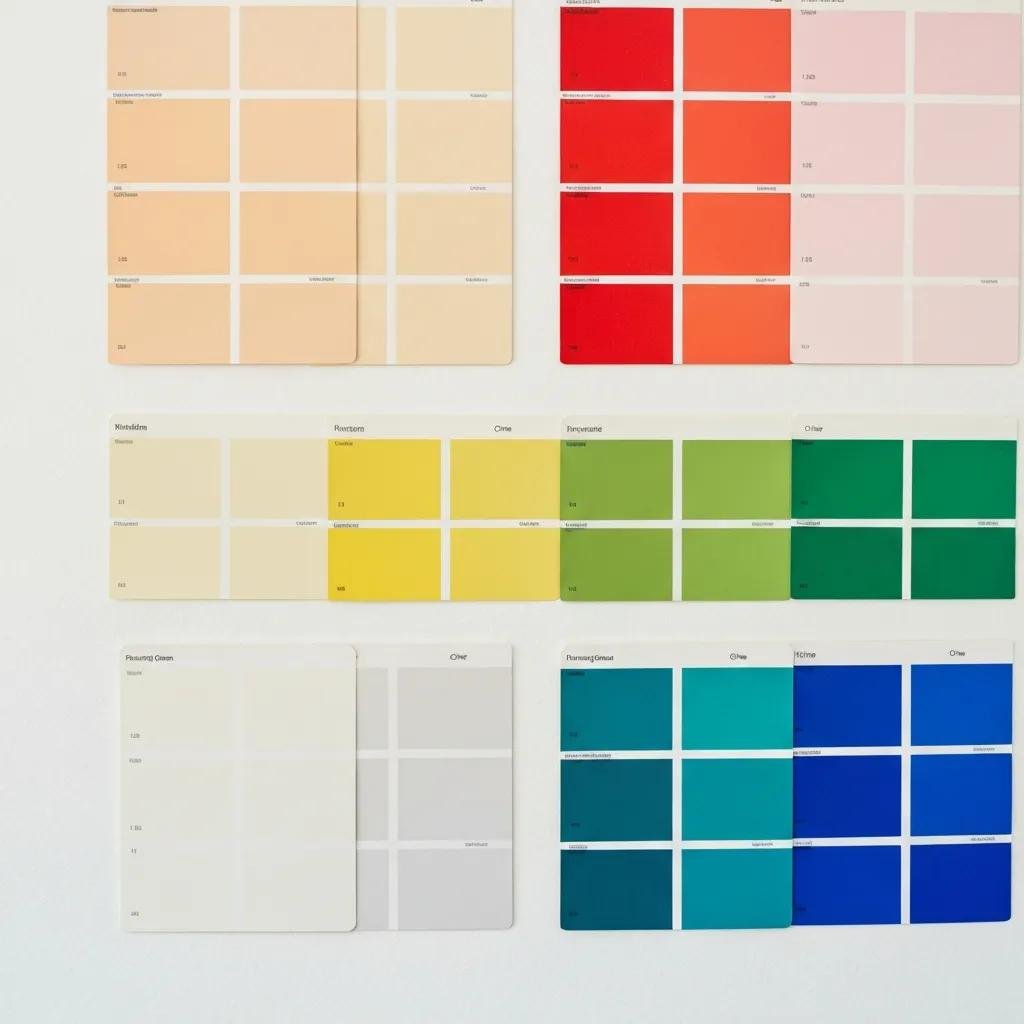
Choosing the right paint colour begins with assessing how light, room function, and existing materials interact to produce the atmosphere you want. Colour selection works because pigments reflect or absorb light, changing perceived space and mood; cooler tones enlarge and calm, while warmer tones energise and cosy a room.
A practical strategy is to test samples in situ and view them at different times of day, as natural and artificial light alter undertones and saturation. The next paragraphs outline current trends for 2026 and explain how colours influence ambiance so you can make decisions that suit Christchurch homes and local light conditions.
Interior paint colour trends for 2026 emphasise natural, muted palettes with considered bold accents to create depth and interest without overwhelming a room. Neutral base shades—soft greys, warm beiges, and green-leaning neutrals—form a flexible backdrop that suits older Christchurch homes as well as contemporary builds, while accent colours like deep teal or terracotta add personality on one wall or in joinery.
For practical selection, sample three swatches on the same wall and observe them in morning and evening light; this reveals undertone shifts and helps avoid regrets. Local homeowners should also account for Canterbury sunshine and cooler winters when choosing warmer or cooler palettes for longevity and comfort.
- Assess lighting: Test swatches under natural and artificial light to see true undertones and reflectivity.
- Match function: Choose calming colours for bedrooms and energising tones for kitchens or activity spaces.
- Consider scale: Use lighter, desaturated hues to make small rooms feel larger and brighter.
These three practical rules simplify the selection process and improve your chances of selecting colours that work across different rooms. Following them will also make it easier to coordinate trims, ceilings, and furnishings in the next stages of preparation and painting.
What Are the Latest Interior Paint Colour Trends for 2026?
The 2026 palette trend leans toward biophilic influences—soft greens, clay tones, and muted blues—paired with occasional darker accents for contrast and drama. These combinations support calmer interiors that still allow focal points, such as built-in cabinetry or a fireplace wall, to stand out with deeper shades.
Christchurch homes often benefit from these palettes because muted natural tones complement local light and traditional materials like timber and stone. When adapting trends, use accent walls sparingly and sample colours on large patches rather than small cards to see how scale affects perception.
The integration of natural elements into colour schemes can significantly impact a space's psychological atmosphere.
How Do Paint Colours Influence Room Ambiance and Mood?
Paint colours influence mood through temperature, saturation, and relative brightness; warm, saturated colours tend to energise, while cool, desaturated tones calm and visually expand space. Undertones are critical: a grey with blue undertones will read colder than a grey with brown undertones, so pair colours based on the room’s function and existing finishes. Consider the finish too—matte sheens absorb light and feel softer, whereas glossier finishes reflect light and can add perceived brightness. Testing patches and viewing them alongside furniture and flooring ensures the chosen palette supports the desired ambience and reduces repainting risk.
Prepare Surfaces for a Flawless Interior Paint Job
Surface preparation is the foundation for a durable, attractive paint job: cleaning, repairing GIB or plaster, sanding, priming, and protecting floors and furniture all matter. Proper preparation improves adhesion, prevents premature peeling, and ensures a uniform finish; shortcuts in prep are the most common cause of poor results. For older Christchurch homes, inspecting for loose paint, moisture stains, or uneven plaster is especially important because time and climate may have compromised substrate stability. The following checklist and repair guidance explain essential tasks and when to call professionals for Level 5 plaster work and complex GIB repairs.
A concise preparation checklist helps homeowners plan time and labour before painting begins and reduces surprises on the day of application. Completing these steps in order saves rework and improves final finish quality, and the list below shows the common sequence for interior prep.
- Clean surfaces: Remove grease, dust, and wallpaper residue so primer bonds correctly.
- Repair defects: Fill holes, sand rough spots, and address GIB/plaster defects before priming.
- Protect and mask: Cover floors, furniture, and fixtures, and use painter’s tape for crisp lines.
Following this ordered approach ensures that paint adheres and that the finish looks even; skipping steps like priming or inadequate sanding often requires repainting within a few years. Once surfaces are clean and repaired, priming and correct paint application deliver the durable, attractive look you expect.
How Do You Repair Walls and Ceilings Before Painting?
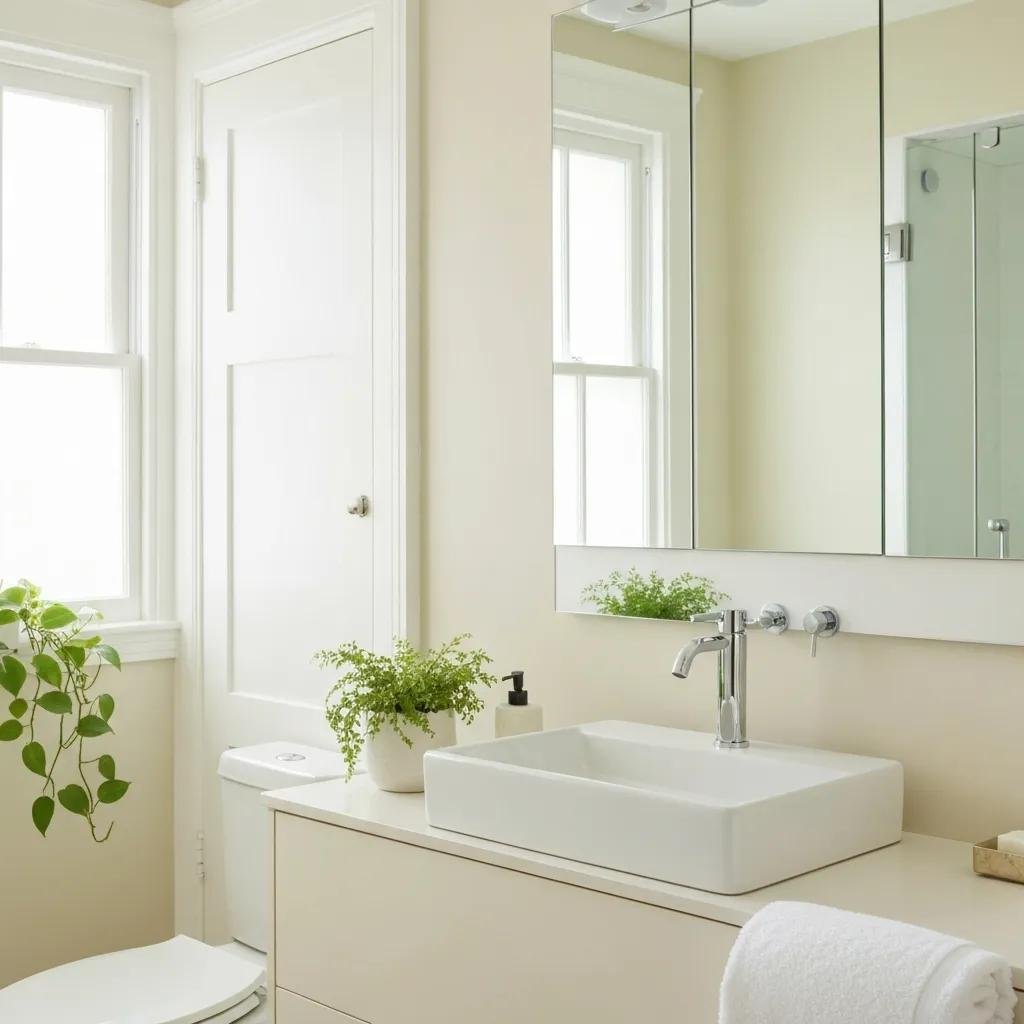
Repairing walls and ceilings begins with diagnosing the issue—superficial nail holes and small dents can be filled and sanded, while widespread cracking or uneven GIB joints may need professional attention. For hairline cracks and minor damage, use a quality filler, sand smooth once cured, and apply an appropriate primer to seal the repair; this restores surface continuity and prevents telegraphing through final coats.
When surfaces show significant unevenness or require a perfect finish for high-gloss or contemporary styling, Level 5 plaster work provides a smooth skim coat suitable for critical visual areas. Pro Decorators list Level 5 plaster work and GIB repair among their specialisms, which homeowners can consider for areas that demand a flawless finish.
What Are the Best Practices for Protecting Furniture and Floors During Painting?
Protecting furniture and floors reduces clean-up time and prevents accidental damage during preparation and painting, and professional teams follow consistent masking and covering procedures to do this efficiently. Use breathable dust sheets for furniture, heavy-duty plastic for floors in high-traffic zones, and painter’s tape on skirting and joinery to ensure clean edges; removing small items from the room wherever possible reduces risk.
Ventilation and dust control—using extraction fans and sealing off work zones—help keep airborne particles away from finished surfaces and minimise staining of soft furnishings. Systematic protection improves workflow and keeps your home liveable during projects while protecting the investment in painted finishes.
What Are the Best Interior Paint Types and Finishes to Use?
Selecting paint type and finish balances health, durability, and appearance: low-VOC acrylic emulsions are widely recommended for interior walls because they combine low odour with good adhesion and washability. Paint chemistry determines performance—acrylic (water-based) paints breathe better and clean up with water, while older oil-based products offer durability in certain trims but are higher in VOCs. Match finish to function: matte hides imperfections in living rooms and ceilings, eggshell or satin offers washability for living spaces, and semi-gloss provides durability for kitchens, bathrooms, and trim. Below is a comparison table showing common options and attributes to help New Zealand homeowners choose between Dulux, Resene, and low-VOC product lines.
| Paint Type / Brand | VOC / Health Impact | Best For | Finish Options |
|---|---|---|---|
| Low-VOC acrylic (generic) | Low VOC; reduced odour and better indoor air quality | Bedrooms, living rooms, whole-house projects | Matte, Eggshell, Satin |
| Dulux interior emulsions | Variable; choose low-VOC ranges for health | High-traffic living spaces and commercial-grade durability | Matte, Eggshell, Semi-gloss |
| Resene interior ranges | Choose low-odour formulations for sensitive spaces | Kitchens, bathrooms, trim with high washability needs | Eggshell, Satin, Semi-gloss |
This comparison clarifies that choosing low-VOC options improves indoor air quality while brands like Dulux and Resene offer product ranges suitable for different room functions. Prioritising low-VOC paints supports households with children, pets, or sensitivity to odours and aligns with modern health-conscious decorating choices.
Why Choose Low VOC Paints for a Healthier Home Interior?
Low-VOC paints reduce the emission of volatile organic compounds that can affect indoor air quality and occupant comfort, particularly in well-insulated Christchurch homes where ventilation may be limited. Choosing low-VOC formulations lessens odour during application and shortens the time before rooms are comfortable to occupy, reducing disruption to daily life.
Professionals often prefer low-VOC acrylic emulsions because they balance performance with healthier indoor conditions, and specifying these products during quoting communicates a focus on occupant wellbeing. When selecting paints, read technical data sheets for VOC ratings and confirm that primers and undercoats also meet low-VOC standards to keep the whole system consistent.
How Do Matt, Semi-Gloss, and Other Finishes Affect Your Interior Look?
Different sheens affect both appearance and maintenance: matt finishes conceal surface irregularities but are less washable, satin and low sheen provide a compromise between look and durability, and semi-gloss or gloss offer superior cleanability for trims and wet areas. High-sheen finishes reflect light and highlight imperfections, so they’re best reserved for doors, skirting, and areas where scrubbability is required. Choose a consistent finish strategy across connected rooms to maintain visual cohesion and pick trims and doors in a higher sheen than walls to emphasise architectural detail. Matching finish to room uses and surface condition ensures both aesthetic success and long-term practicality.
Prepare Surfaces for a Flawless Interior Paint Job
Professional painting techniques follow a reliable sequence and use specific brush and roller practices to achieve even coverage, crisp edges, and minimal lap marks. The basic order—ceiling, walls, then trim—reduces splatter risk and allows for efficient clean-up, while cutting in and rolling techniques control edge blending and texture uniformity. Tool selection (quality brushes, rollers with appropriate nap, angled cut-in brushes, and extension poles) influences finish quality and maintaining a wet edge during application prevents visible overlaps. The technique table below summarises common professional approaches, necessary tools or skills, and the resulting benefit of each method.
| Technique | Tool / Skill | Result / Tip |
|---|---|---|
| Cutting in | Angled brush, steady hand | Crisp lines at corners and junctions; cut small sections before rolling adjacent areas |
| Rolling pattern | Roller with correct nap, W or M pattern | Even coverage and consistent texture when back-rolled while paint is wet |
| Priming and sanding | Primer appropriate to substrate, fine sanding | Improved adhesion and smoother final finish; eliminate telegraphing defects |
Understanding these links between technique, tool, and outcome helps you replicate professional results or evaluate trade quotes based on specified methods. Choosing the right tools and following these steps reduces rework and extends the life of the painted surface.
What Is the Correct Order and Technique for Painting Walls, Ceilings, and Trim?
A standard professional sequence starts with ceilings, followed by walls and finishes with trim and doors, because gravity and splatter patterns make ceiling-first work efficient and protective. Begin by priming repaired areas, then cut in along ceiling lines and corners before rolling large wall areas, maintaining a wet edge to avoid lap marks. Allow specified drying times between coats as advised by the paint manufacturer to ensure proper film formation and adhesion, and sand lightly between coats on trim where high gloss is required. This order and timing minimise touch-ups and produce clean transitions between surfaces when executed consistently.
How Do You Master Cutting In and Rolling for Smooth, Even Coverage?
Mastering cutting in requires a steady angled brush and working in short sections so the brush edge and roller meet while paint is still wet, allowing seamless blending, practice and correct loading of paint on the brush matter more than speed. For rolling, use a W or M pattern and then fill in without lifting the roller, back-rolling lightly to blend and remove roller lines for uniform texture across the wall. Choose roller nap based on surface texture—short naps for smooth plaster, longer naps for textured surfaces—and keep replacement rollers on hand to maintain consistent loft and coverage. Regularly clean and maintain brushes and rollers during multi-day jobs to prevent dried paint from compromising finish quality.
What Are the Benefits of Hiring Professional Interior House Painters in Christchurch?
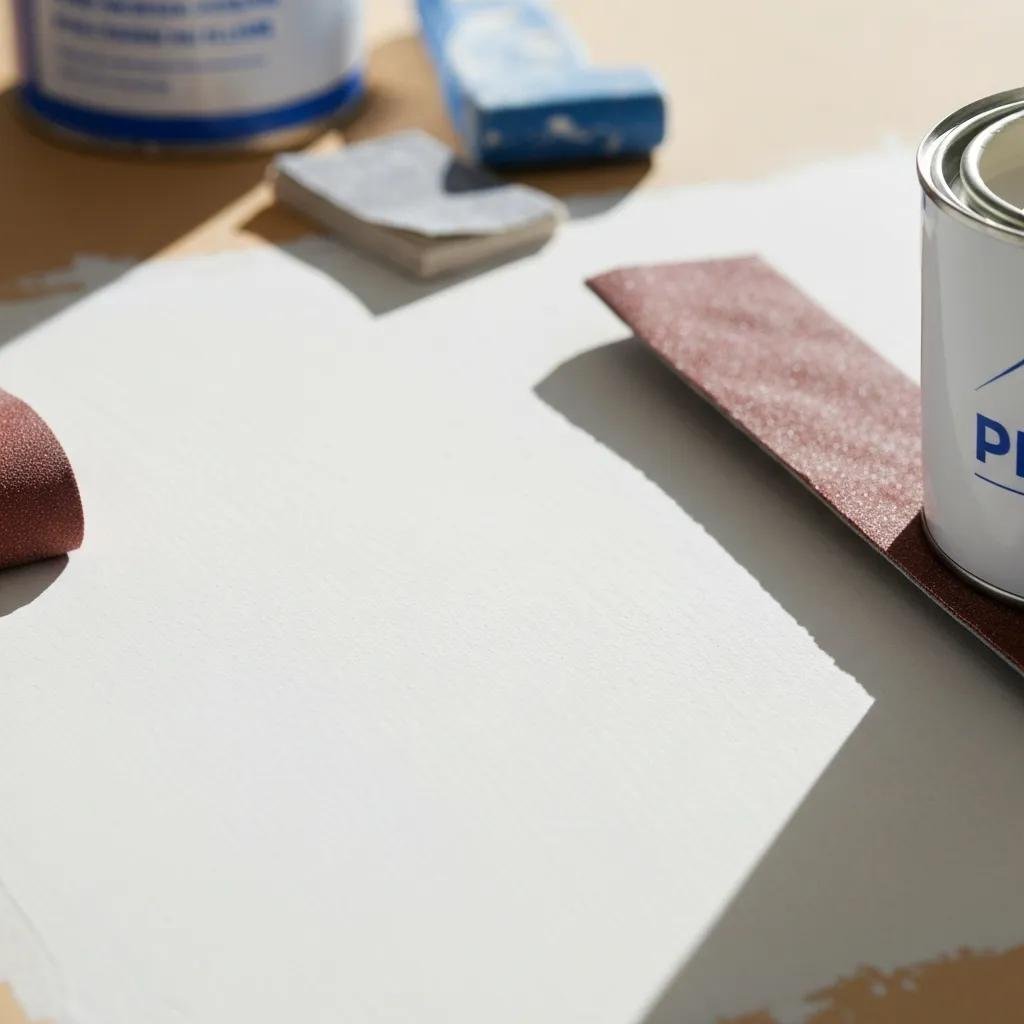
Hiring professionals saves time, reduces disruption, and delivers a quality of workmanship that extends the life of the paint: trained teams provide accurate surface preparation, consistent application, and a finished surface that resists wear. Local Christchurch painters understand regional conditions—how local light and humidity affect drying—and can advise on appropriate products and finishes for Canterbury homes. Specialist skills such as GIB repair and Level 5 plaster finishing produce superior visual outcomes, particularly in high-visibility areas where perfect surfaces are essential.
Pro Decorators, as a Christchurch-based, family-owned company, highlights workmanship, the use of non-toxic low-VOC products, transparent pricing, and a 5-year guarantee as trust signals homeowners can rely on when deciding to hire a professional. Hiring professionals provides specific advantages beyond time savings that contribute to long-term value and lower maintenance costs.
How Does Pro Decorators Ensure Quality With Their 5-Year Guarantee?
A multi-year guarantee provides homeowners with reassurance that workmanship and materials meet a consistent standard, linking careful preparation and suitable product selection to long-term performance. Pro Decorators explicitly offers a 5-year guarantee which signals confidence in their application methods and surface preparation practices, though homeowners should request the specific terms during quoting to understand coverage. Guarantees typically complement transparent pricing and a written scope of work so clients know what to expect and can compare bids sensibly. Asking for guarantee details during the estimate stage helps align expectations and provides a clear basis for post-job care.
Why Is Professional Preparation and Finishing Important for Long-Lasting Results?
Professional preparation ensures adhesion by removing contaminants, repairing substrate defects, and applying the right primers; these steps prevent premature failure such as flaking or blistering. Correct finishing techniques protect surfaces from wear, simplify cleaning, and reduce the need for frequent repainting, which saves money over time.
Specialist repairs—like GIB repair and Level 5 plaster work—stabilise substrates and provide the smooth base needed for high-quality finishes, especially were aesthetics matter most. Investing in thorough preparation and correct finishing thus improves durability and enhances the visual impact of your paint investment.
How Much Does Interior House Painting Cost in Christchurch and How to Budget?
Interior painting cost depends on several predictable factors: room size and number, the extent of preparation and repairs, paint quality and finish, and labour rates or complexity of access. Understanding these drivers allows homeowners to budget realistically and compare quotes on an apples-to-apples basis; cost transparency is crucial when balancing immediate expense against long-term value. Below is a table that outlines common cost factors, their typical range of impact, and how each influences the final quote so you can identify where savings are possible and where investment is prudent.
| Cost Factor | Typical Range / Impact | How It Affects Final Quote |
|---|---|---|
| Room size / number | Moderate to high | More surface area increases material and labour costs proportionally |
| Extent of prep/repairs | Low to high | Significant GIB repair or Level 5 plaster increases scope and time required |
| Paint quality and finish | Moderate | Higher-grade low-VOC paints and premium finishes cost more but last longer |
| Access and complexity | Low to moderate | High ceilings, ornate trim or scaffolding increases labour and equipment costs |
This table clarifies that preparation and specialised repairs are frequent cost drivers and explains why transparent breakdowns of labour, materials, and scope are essential in any quote. When reviewing estimates, homeowners should ask for line-item clarity to compare contractors fairly.
What Factors Affect the Cost of Interior Painting Projects?
Several variables combine to determine a final price: how many rooms are included, the square metreage of walls and ceilings, the degree of surface repair required, paint brand and finish level, and site logistics including furniture moving and protection. Extensive GIB repairs or Level 5 plaster work may represent a significant portion of the bid because they require skilled labour and additional materials; lesser defects are relatively inexpensive to correct.
Selecting higher-quality, low-VOC paints increases material costs but can reduce maintenance and repaint frequency, offering better lifecycle value. Clear communication of scope—what’s included in prep, number of coats, and whether trims or doors are painted—reduces unexpected extras once the job begins.
These simple steps help homeowners evaluate quotes so they can make informed budgeting decisions and avoid surprises during the project.
How Can You Get a Transparent and Fair Quote from Local Painters?
Request a written scope that outlines surface preparation, paint brands, number of coats, expected start and completion dates, and any warranties or guarantees; this document is the basis for a fair comparison. Ask specific questions about how the painter assesses GIB repairs and whether Level 5 plaster work is recommended for high-visibility areas, so you can understand where costs arise and where savings can be made. Pro Decorators emphasise transparent pricing and clear communication as part of their client-centred approach; homeowners are encouraged to request a written estimate and details of guarantee coverage when comparing offers. Finally, check that the quote includes site protection and clean-up so the final invoice reflects the complete scope of work agreed.
Following these steps helps you obtain a fair, transparent quote and positions you to choose the best value for your interior painting project.
This article has mapped the practical steps—from colour selection and preparation through paint types, professional techniques, and budgeting—needed to transform your home interior with paint. Use the checklists, tables, and technique summaries here to plan effectively, and consider a local professional for complex repairs or when a high-quality finish is essential.
In Conclusion
In conclusion, transforming your home interior with paint in Christchurch starts with meticulous preparation to combat local climate challenges, selecting health-focused low-VOC products and finishes tailored to room functions, and applying proven techniques for flawless results—while steering clear of pitfalls like inadequate repairs or mismatched colours; for optimal outcomes, especially in older homes requiring GIB fixes or professional warranties, enlisting experts like Pro Decorators ensures lasting beauty, efficiency, and value without the hassle of DIY errors. For expert handling of complex prep like Level 5 plastering or GIB repairs, contact Pro Decorators today for a free estimate and transform your Christchurch home with confidence.



