

TL:DR


How to Choose the Perfect Paint Colours for Your Space:
Expert Guide for Homeowners in Christchurch
Choosing paint colours for a home combines practical constraints with personal taste, and the right approach helps you create durable, mood-appropriate spaces that work with Christchurch light and architecture. This guide explains the core factors that influence colour selection, from natural and artificial light to undertones, finishes and room function, and shows practical testing methods so you can finalise colours with confidence.
Homeowners will learn how colour psychology maps to everyday rooms, what 2026 trends in New Zealand mean for interiors, and how to pick exterior palettes that stand up to local weather conditions. The article also walks through tester pot best practice, digital visualiser use and provides comparison tables to make decisions easier.
If you want hands-on assistance, the guide points to professional consultation and painting services that support testing, preparation and long-term durability. Read on for clear, actionable steps and localised advice tailored for Christchurch homes.
Choosing the Right Paint Colours for Your Christchurch Home
Choosing paint colours begins with understanding how light, room purpose and surface qualities interact to change perception, because paint colour is experienced, not just seen. Natural light direction, the type of artificial lighting, the room’s intended function and the paint’s undertones and finish all affect how a shade reads, and addressing these factors early reduces costly mistakes.
Paying attention to scale, adjacent materials and the existing palette in furniture or trim will help you pick a cohesive scheme that endures. Below is a compact checklist of the most influential variables to evaluate before committing to a palette, followed by practical examples that link each factor to a decision step.
Consider these five essentials when choosing paint colours:
These factors show that choosing a color is a system-wide decision. It involves integrating light, usage, and the surface (or substrate) being painted. This leads us to take a closer look at light itself—and how it affects the appearance of paint in real-world scenarios.
How Does Natural and Artificial Light Affect Paint Colour Appearance?
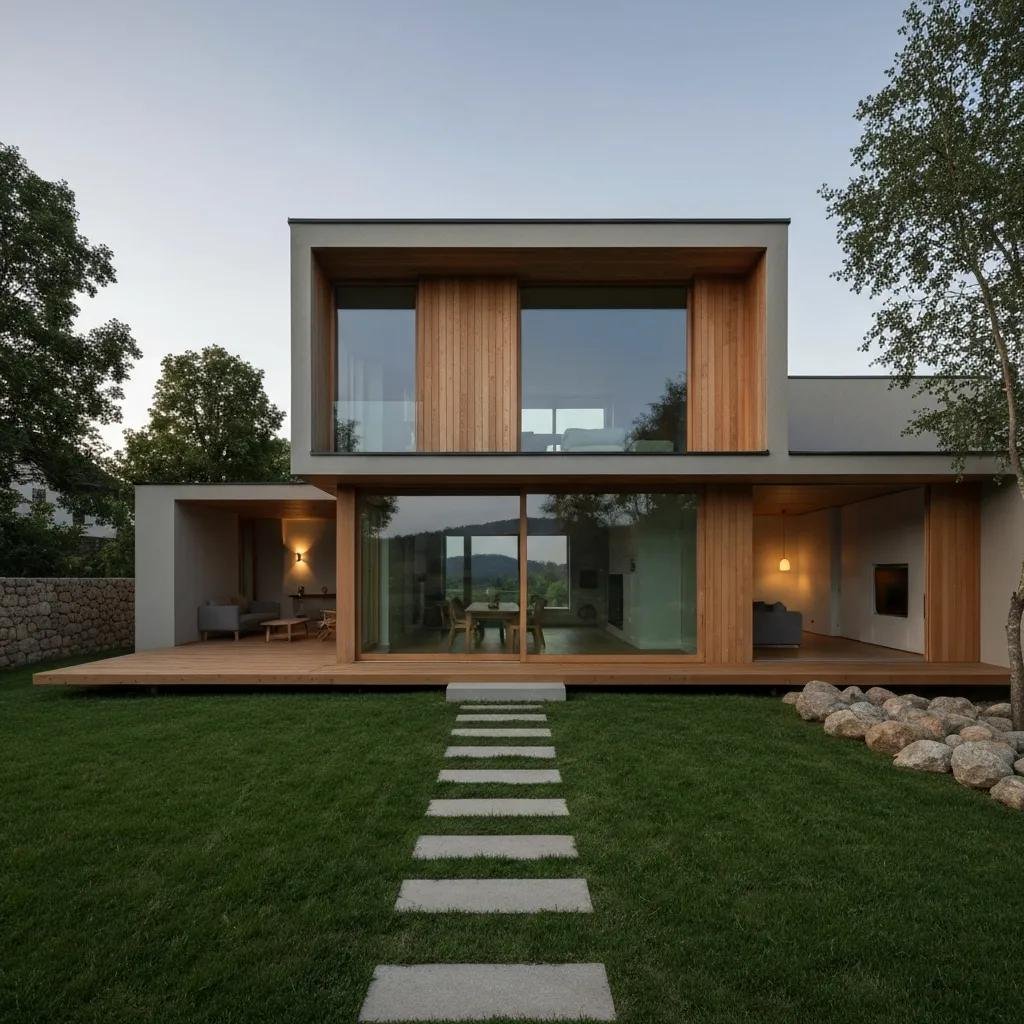
Natural and artificial light together determine a paint colour’s visible temperature and saturation because spectral quality alters which pigments reflect more strongly. North-facing rooms in Christchurch tend to receive steadier, cooler daylight, which can make warm shades appear muted, while south-facing rooms can look dimmer and benefit from warmer undertones to add perceived warmth.
Artificial lighting varies too: warm LED bulbs emphasise yellow and red pigments, whereas cool bulbs make blues and greens pop, so review swatches under your regular lamps. To reliably predict outcome, place large swatches on the actual wall and observe them morning, afternoon and evening to capture the full range of lighting conditions.
Why Does Room Direction Influence Your Paint Colour Selection?
Room direction influences both light intensity and colour temperature, which in turn alters how undertones register and how bright a space feels, making orientation a strategic colour decision point. East-facing rooms warm up in the morning, so consider colours that lean cool to balance early warmth, while west-facing rooms gain warm late light that enhances richer pigments.
South-facing rooms often have softer, cooler daylight and may need lighter or warmer shades to avoid a cold feel, whereas north-facing rooms are more consistent and allow for both cool and warm palettes if balanced correctly. Mapping direction to suggested undertones helps narrow choices and prompts the next practical step: testing swatches under the room’s natural cycle.
Paint colour psychology links hue and saturation to emotional responses and applying these associations helps rooms support their intended activities because colour influences perception and behaviour. Cooler blues and muted greens tend to calm and lower physiological arousal, making them suitable for bedrooms and studies, while warmer yellows and terracotta hues energise communal spaces and kitchens. Thoughtful application—using accents, trims and varying finishes—lets you create layered moods that support both relaxation and social interaction without overpowering a room. The following quick mapping shows common colour–mood relationships and typical room pairings to guide palette decisions and prepare you for practical testing or a professional consultation.
This psychological framework helps you prioritise hues by room function, and for homeowners who prefer expert translation of these principles into a practical palette, professional consultation is the next logical step.
Pro Decorators can translate colour psychology into a practical palette through their paint colour consultation service, which pairs mood-based recommendations with real-world testing and local knowledge. As a second-generation family-owned painting company based in Christchurch, Pro Decorators specialises in paint colour consultation alongside full-service interior painting and exterior house painting, offering tailored palettes that suit light, function and furnishings.
The consultation bridges theory and application by providing on-site or digital previews and guidance on finishes for high-traffic areas, and the company emphasises using non-toxic, low-VOC products for healthier indoor environments. If you want a professional to interpret colour psychology and deliver a tested, practical palette, a local consultation can move you from concept to confident selection.
What Are the Best Paint Colours for Living Rooms to Promote Relaxation and Socialising?
Living rooms benefit from palettes that balance relaxation with sociability because these spaces host both quiet downtime and group activities, demanding adaptable colour choices. Warm neutrals—soft beige, warm greys and muted taupes—create a welcoming backdrop that complements timber floors and natural textiles commonly found in Christchurch homes, while muted greens add a biophilic connection that soothes yet remains sociable.
Use accent walls or painted joinery in deeper greens or complex blues to create focal points that anchor seating areas and enhance conversation zones without making the room feel heavy. Selecting washable finishes such as satin for skirting and low sheen on walls (think Dulux Wash n Wear) ensures durability in high traffic living rooms and links directly to the preparation and finish choices discussed later.
Which Bedroom Paint Colours Encourage Restful Sleep and Tranquillity?
Bedrooms perform best with colours that reduce stimulation and support circadian rhythms because visual calm promotes lower heart rate and easier sleep onset. Soft, desaturated blues and greens with grey undertones are proven calming choices that signal restfulness, while warm neutrals and soft mauves provide a cocooning effect when paired with matte finishes to limit glare. Avoid overly saturated brights on large surfaces; use deeper tones selectively for headboard walls or cabinetry to add depth without overstimulating the space. Consider also the impact of bedding and window treatments—coordinated textiles help reinforce the intended mood and close the loop from wall colour to sleep environment.
What Are the Top Interior Paint Colour Trends for 2026 in New Zealand Homes?
2026 interior trends in New Zealand emphasise tactile warmth and connection to landscape, with earthy tones, warm neutrals and complex greens and blues leading palettes because homeowners are prioritising comfort and longevity. These trends favour natural materials and finishes—timber trim, woven textiles and brass accents—that complement muted, grounding colours and make spaces feel crafted rather than purely decorative. Designers increasingly choose colour drenching for dramatic effect in contemporary homes, while modern off-whites and muted pinks remain options for subtle sophistication in minimalist schemes. The table below summarises trend colour families, their moods and recommended room pairings to help you apply 2026 trends practically in Christchurch homes.
| Colour Family | Mood | Recommended Rooms |
|---|---|---|
| Earthy tones (warm terracotta, ochre) | Cosy, grounded | Living room, entryway, kitchen |
| Warm neutrals (beige, warm greys) | Comfortable, versatile | Living room, hallway, dining |
| Greens (sage, olive) | Restorative, biophilic | Living room, bedroom, kitchen |
| Complex blues (slate, teal) | Calm, sophisticated | Bedroom, study, cabinetry |
These trend choices are durable because they pair well with natural materials and provide flexibility for changing decor, guiding homeowners toward schemes that remain relevant beyond a single season.
How Do Earthy Tones and Warm Neutrals Enhance Comfort and Style?
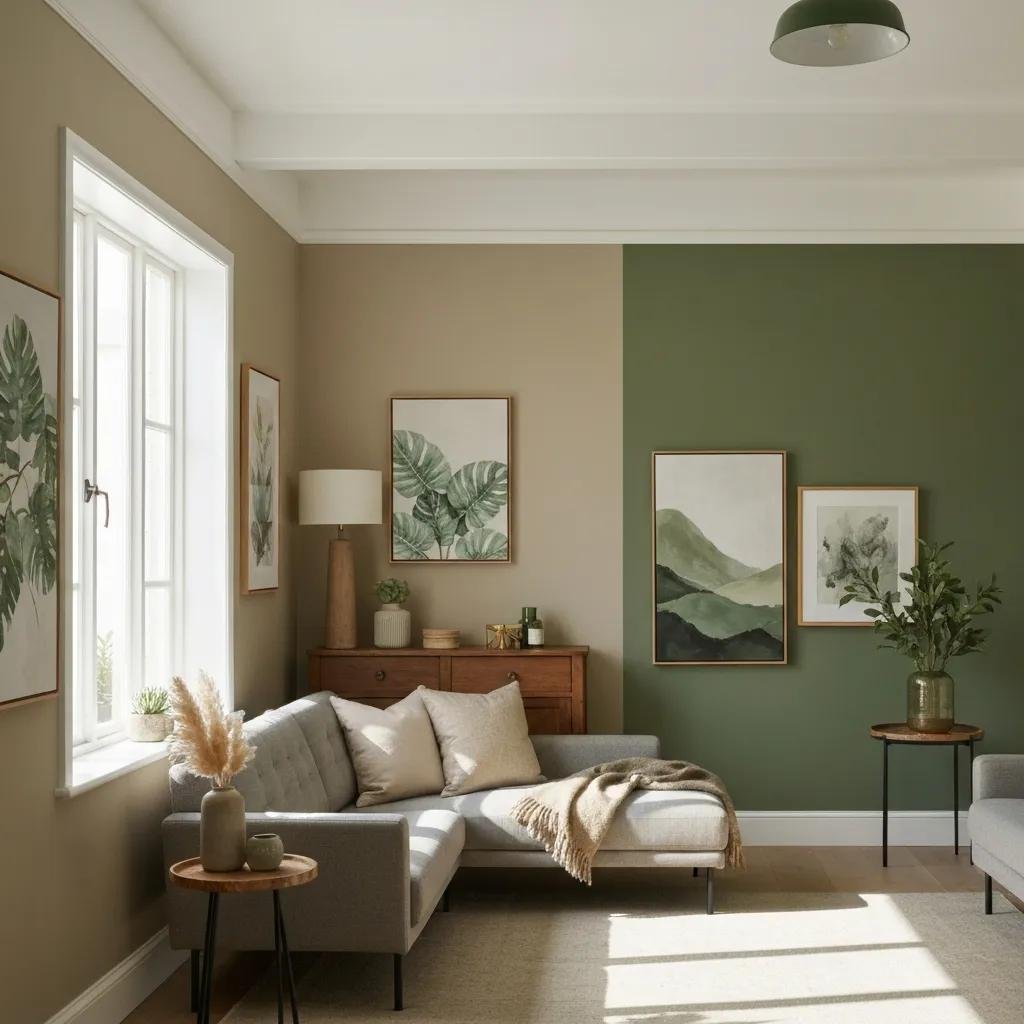
Earthy tones and warm neutrals enhance comfort by reflecting natural materials and creating visual warmth that reads well in varying light, particularly in Christchurch interiors where timber and stone are common. They provide a forgiving backdrop that hides wear and allows statement furniture or artwork to stand out, and they pair naturally with brass, timber and woven textures for cohesive styling. These shades also age gracefully, making them suitable for open-plan living where continuity matters, and they support layering—using deeper accents or textured finishes to add interest. Choosing durable, low-sheen finishes with these tones ensures longevity and aligns with the broader aim of comfortable, low-maintenance interiors.
Why Are Greens and Complex Blues Popular for Biophilic and Calming Interiors?
Greens and complex blues are popular because they mirror outdoor tones and activate biophilic responses that reduce stress and support wellbeing, a principle increasingly valued in 2026 design thinking. Sage and olive greens create a soft backdrop for plants and timber joinery, reinforcing the interior–landscape relationship that helps occupants feel more connected to nature. Complex blues with grey or green undertones offer calm without feeling cold, and they work well on feature walls, kitchen cabinetry or built-in shelving to add depth. Introducing these colours alongside natural textures and warm neutrals yields a balanced, contemporary palette suitable for bedrooms, studies and relaxed living areas.
Choosing the Right Paint Colours for Your Christchurch Home
Exterior colour selection requires balancing architectural style, local environment and durable product choices because the right exterior palette will enhance character while withstanding Christchurch’s coastal-influenced climate. Consider the home’s era—heritage detailing often suits restrained, historically accurate palettes, while modern homes may handle tonal drenching or bold contrasts. Factor in neighbouring houses, landscape and roof materials to ensure your scheme complements the street rather than clashes with it. Below is an actionable checklist and a comparison table of exterior paint product attributes tailored to New Zealand conditions to help you choose both colour and coating system wisely.
Exterior colour checklist before deciding:
This checklist highlights the interplay between aesthetics and durability, which leads directly to evaluating product systems appropriate for local weather.
Before the comparison table, note that product choice affects durability as much as colour selection; below is a concise guide to common exterior product types and their key performance attributes in NZ conditions.
| Exterior Paint Product | Durability / UV Resistance | Recommended Finish |
|---|---|---|
| Weatherproof acrylic system | High / Good | Satin for balance of sheen and hide |
| Masonry-specific coating | High / Very good | Low-sheen for textured surfaces |
| Timber-specific oil/paint systems | Moderate-High / Good | Satin or semi-gloss for joinery |
| Specialist mould-resistant exterior | High / Good (with additives) | Satin for resilience |
Choosing the correct product and finish reduces maintenance cycles and preserves curb appeal; the next section explains how professional preparation improves longevity.
Pro Decorators offers full-service exterior painting and product recommendations suited to Christchurch weather, combining careful substrate preparation with durable coatings and low-VOC paint options. As a Christchurch-based, second-generation family-owned painter, Pro Decorators emphasises high-quality decorating and customer service while recommending systems that resist UV and moisture for longer life.
They provide free estimates and a 5-year guarantee that reduces homeowner risk, and their exterior service includes detailed preparation such as sanding and carpentry to ensure coatings adhere and perform. When you need an exterior scheme that enhances curb appeal and endures local conditions, expert preparation and the right coating system are essential.
How Should Architectural Style and Local Environment Influence Exterior Colour Choices?
Architectural style and environment should guide palette choices because each house type reads differently with colour, and surroundings—coastal salt, native planting and neighbouring homes—affect perceived harmony. Period cottages often look best with restrained, historically appropriate hues and subtle trim contrasts, while contemporary boxes can use tonal layers or bolder feature colours to accent geometry. Coastal properties should favour mid-tones that hide salt spray wear and consider finishes that facilitate cleaning and maintenance. Consulting local examples and testing swatches on façade areas helps verify a scheme before full application.
What Durable Paint Options Are Best for New Zealand’s Weather Conditions?
Durable exterior paint systems for New Zealand prioritise UV stabilisers, flexible binders and moisture resistance because these features protect substrates from sun and rain cycles common across Canterbury. Weatherproof acrylic systems perform well on multiple substrates for overall protection, while masonry coatings and specialist timber systems address specific material needs and movement.
Surface preparation—cleaning, priming and patching—remains the most critical factor for longevity, and selecting low-VOC, non-toxic formulations supports occupant health without compromising performance. Choosing the right product-family for your substrate and climate reduces repaint frequency and preserves finish quality over time.
What Practical Steps Can Help You Test and Finalise Your Paint Colour Choices?
Testing and refinement translate colour theory into reliable outcomes because chips and screens cannot predict final appearance under real conditions; staged testing mitigates uncertainty. Start with digital visualisers to narrow options, then apply tester pots as large patches on different walls and observe them across times of day and under your regular light sources. Create live mock-ups with furniture and textiles to judge harmony and assess finishes for cleanability in high-traffic zones. The EAV table below compares tester options so you can weigh coverage, colour match reliability and cost when deciding how to test.
Before the table, this comparison outlines the practical trade-offs between sample methods to help you choose an appropriate testing strategy for your room and budget.
| Tester Option | Coverage / Practical Size | Dry Colour Match | Typical Cost |
|---|---|---|---|
| Small sample pot (100–250ml) | Small patch / for small walls | Good after drying | Low |
| Large tester pot (500ml–1L) | Large patch for multiple viewing angles | Very good | Medium |
| Swatch/peel-and-stick | Immediate, portable | Poor for true finish | Low |
| Temporary painted panel (plyboard) | Moveable, full-scale viewing | Excellent | Medium-High |
Selecting the right tester option saves time and helps ensure the final choice translates on-site; next we outline the step-by-step testing workflow.
The following numbered steps guide accurate colour testing:
- 1Use a digital visualiser to shortlist 3–5 colours and preview large areas.
- 2Apply large tester pot patches on intended walls and allow full drying time before judging.
- 3View samples at multiple times of day and under your typical artificial lighting.
- 4Place furniture and textiles against samples to confirm harmony and adjust if needed.
- 5Record photos and notes for comparison and, if unsure, repeat with nearby hues or seek consultation.
Pro Decorators supports the testing process by applying sample patches, creating removable mock-ups and advising on colour matches while performing necessary surface preparation such as GIB repair, sanding and minor carpentry when needed.
Their practical help includes recommending appropriate tester sizes and finishes, ensuring the substrate is representative of the finished surface, and interpreting how light and undertones will behave in your Christchurch home.
Using a professional for testing shortens the decision cycle and reduces repaint risk, which is particularly valuable when selecting exterior colours or complex interior palettes. If you prefer hands-on support, a consultant-guided test run provides definitive results before committing to full painting.
Why Are Tester Pots and Large Swatches Essential for Accurate Colour Selection?
Tester pots and large swatches are essential because small chips and screen images cannot reproduce undertones, finish reflection or the influence of adjacent materials, and larger patches reveal how pigment and sheen interact across a surface. Applying a 500ml–1L patch allows you to assess drying colour, texture and how light affects the shade at different times, while movable panels let you test placement in multiple rooms.
Always observe samples for several days and under usual lighting to capture shifts and document each test result to avoid decision fatigue. This testing discipline reduces guesswork and leads to outcomes that match expectations once the whole room is painted.
How Can Digital Colour Visualiser Tools Assist in Planning Your Palette?
Digital colour visualiser tools assist by rapidly narrowing options and helping you explore combinations at scale, because they allow virtual drenching and pairing without physical work. Visualisers are ideal for early-stage exploration and for testing bold schemes across entire façades or open-plan spaces, but they cannot replicate true undertones or finish sheens, making physical samples mandatory before finalising. Use visualisers to generate 3–5 shortlisted colours, then follow with tester pots and mock-ups as described above to confirm the choice. Combining digital and physical tools provides an efficient workflow from inspiration to verified decision.
How Can Pro Decorators Support You with Expert Paint Colour Consultation and Painting Services?
Pro Decorators delivers a suite of services that guide homeowners from palette selection through preparation and final painting, providing expert local knowledge tailored to Christchurch homes and practical execution to achieve durable results. Their offerings include paint colour consultation, full-service interior and exterior house painting, and meticulous preparation work such as GIB repair, sanding and carpentry to ensure surfaces are ready for long-lasting finishes.
The company emphasises using non-toxic, low-VOC products for healthier interiors, offers free estimates to scope work without obligation, and provides a 5-year guarantee to reduce homeowner risk and demonstrate confidence in workmanship. Below is a clear breakdown of what to expect from their consultation and painting process.
What the consultation and service process generally includes:
What Does the Pro Decorators Paint Colour Consultation Service Include?
Pro Decorators’ paint colour consultation includes a personalised palette tailored to room orientation, light and homeowner preferences, with sample application advice and an estimate provided at no cost. The consultation can be delivered on-site or digitally, and it outlines recommended finishes and testing steps so homeowners can verify colours in their environment. Consultants advise on low-VOC product options and practical combinations for joinery, trim and feature walls to ensure cohesive outcomes. The process culminates in a written summary and free estimate so you understand scope, timeline and product choices before committing to work.
How Does Pro Decorators Ensure Quality and Customer Satisfaction in Painting Projects?
Quality and satisfaction are delivered through thorough surface preparation, experienced tradespeople and clear communication because durable paintwork depends on more than colour—it requires correct substrate treatment and appropriate systems. Pro Decorators performs GIB repair, sanding and carpentry as needed to prepare surfaces, selects low-VOC paints for health-conscious finishes, and maintains site protection and client updates throughout the project.
Their services include a 5-year guarantee that provides homeowners with assurance about workmanship and product performance, and the team’s local Christchurch experience helps them tailor approaches for regional weather and architectural styles. These quality practices aim to deliver long-term results and a straightforward client experience.
In Conclusion
In conclusion, selecting the ideal paint colours for your Christchurch home combines understanding your environment's lighting and climate, applying colour psychology, thorough testing, and integration with existing decor—while avoiding pitfalls like trend-chasing or poor sample evaluation; partnering with experts like Pro Decorators guarantees personalised, durable outcomes using quality, eco-friendly products for enhanced living spaces and property value. For expert handling of your colour consultation, contact Pro Decorators today for a free estimate and transform your Christchurch home with confidence.



Great info.
Appreciate the comment Maurita
Cool blog.
Thanks Shanelle