

TL:DR


Exterior Paint Care for Long-Lasting Beauty:
Essential Tips for Durable and Attractive Home Exteriors
Exterior paint care is the routine of cleaning, inspecting, repairing, and protecting painted surfaces so they remain attractive and durable against weather and wear. Practically, good exterior paint care reduces long-term maintenance costs, prevents substrate decay, and preserves curb appeal by extending exterior paint longevity and resisting fading, mould, and peeling.
This guide explains how often to clean and inspect your home, the safest cleaning techniques for different claddings, and clear repair steps to fix peeling, cracking, and discolouration, all tailored to Christchurch-like conditions where moisture and UV both challenge paints.
You will find seasonal maintenance schedules, step-by-step cleaning instructions, comparison tables for cleaning and paint choices, and preventive measures such as improved drainage and UV protection to keep finishes performing.
Start with simple inspections and cleaning, then progress through repairs, protective upgrades, and how to choose paints like Dulux or Resene and eco-friendly low-VOC options; these sections prepare you to decide when a DIY approach is sufficient and when professional services are the wiser option.
How Often Should You Clean and Maintain Exterior House Paint?
Regular cleaning and inspection form the backbone of exterior paint care: cleaning removes surface contaminants that accelerate degradation, inspections reveal early defects, and timely touch-ups prevent small problems from becoming large ones.
In Christchurch-like climates, a practical cadence is an annual full inspection with light cleaning 1–2 times per year, plus targeted checks after severe weather; this schedule balances effort with measurable gains in paint longevity.
A seasonal checklist helps homeowners prioritise tasks and spot urgency indicators such as mould, chalking, or loose trim that demand immediate attention. Establishing a routine reduces cumulative wear and makes small repairs straightforward to perform before full repaints are necessary.
The next section explains how to recognise signs that cleaning or repair is needed and how to translate inspection findings into a seasonal action plan.
What Are the Signs That Your Exterior Paint Needs Cleaning or Repair?
Common visual and tactile signs indicate that exterior paint needs intervention: mould or algae growth shows as green/black staining, chalking is a powdery residue on surfaces and flaking or peeling reveals adhesion failure and often substrate moisture.
A simple DIY chalk test—rubbing a white cloth over the painted surface—quickly distinguishes chalking (cloth will show residue) from colour loss that requires repainting; tactile checks and probing loose edges identify where paint has lost adhesion.
Prioritise safety hazards such as large areas of loose paint near walkways or rot around windows, as these need immediate repair or professional assessment.
Understanding these signs helps homeowners decide whether cleaning, a local touch-up, or more extensive substrate repair is necessary, which leads naturally into a seasonal maintenance schedule.
How to Create a Seasonal Exterior Paint Maintenance Schedule
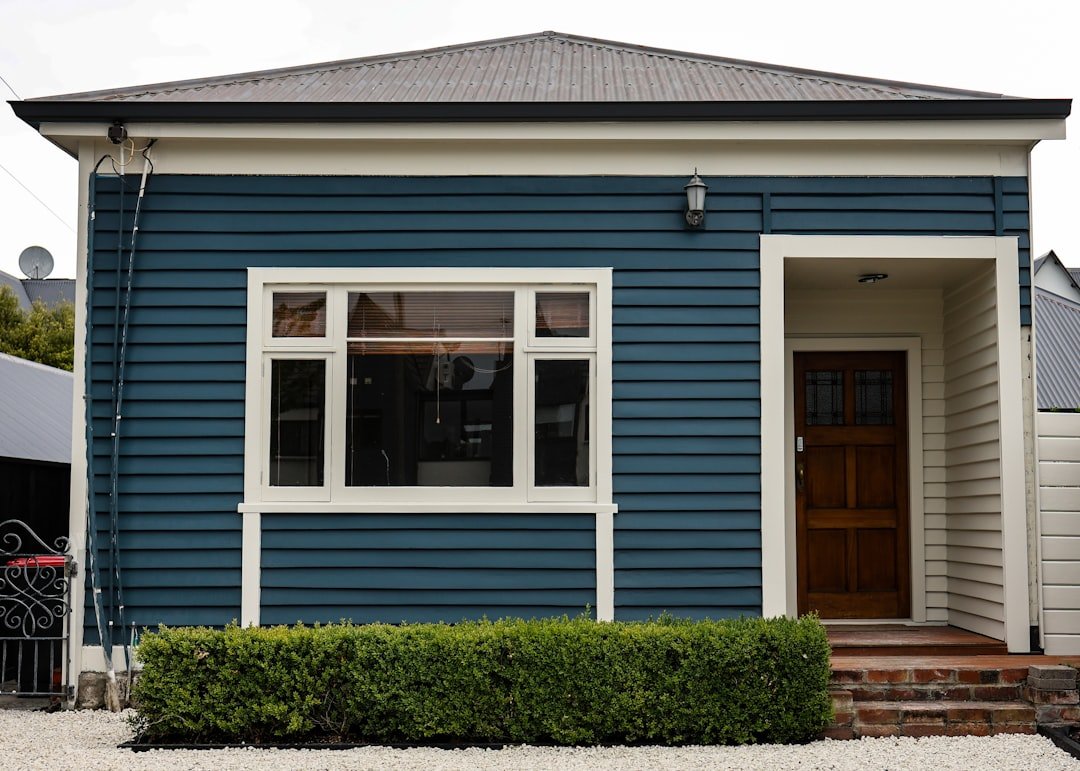
A seasonal schedule organises tasks to match local weather cycles: in spring inspect for winter moisture damage and wash surfaces to remove pollen and mould; in summer assess UV fading and undertake small touch-ups in warm, dry conditions; in autumn check gutters, flashings, and caulking to prevent winter ingress; in winter avoid major painting but monitor for leaks and cover exposed repairs.
For Christchurch conditions, plan pressure-wash or deep-clean windows and eaves in late spring and perform minor sanding and caulking in late summer when materials dry well and temperatures are stable. Keep a simple checklist per season to record issues and actions and set reminders to inspect after storms or wind events. Following a seasonal plan prevents the accumulation of small failures and ensures any repairs occur in weather suited to effective paint adhesion.
Maintaining Exterior Paint: Effective Cleaning and Repair Methods
Cleaning methods span gentle hand washing to professional pressure washing; each method removes different contaminants while varying in safety and effectiveness for specific surfaces. Proper technique prevents damage: Dulux House Wash or a mild detergent and soft brushes work well on painted weatherboard and timber, low-pressure rinsing suits stucco and brick, while professional pressure washing with controlled settings is advisable for heavy grime or moss on durable substrates. Choosing the right approach protects paint binders and pigments and reduces premature fading; the next paragraphs list recommended tools and provide a step-by-step cleaning routine to follow for best results. When DIY methods reach their limits—such as deep-set algae or fragile cedar cladding—professional services that manage pressure settings and substrate protection can prevent accidental surface erosion.
Before the comparison table, here is a numbered quick-clean process designed for featured-snippet clarity and safe results when cleaning most painted exteriors:
- 1Test a small inconspicuous patch for colourfastness and adhesion before any cleaning.
- 2Protect plants and cover vents; work top-to-bottom to avoid streaks and ensure complete rinsing.
- 3Apply a mild detergent solution, gently scrub with a soft brush, then rinse with low-pressure water.
- 4For stubborn stains or biological growth, use a specialist cleaner and repeat the test patch before full application.
- 5Inspect surfaces after drying and perform touch-ups where bare substrate is exposed.
This step-by-step sequence keeps cleaning effective while minimising risk to paint films and underlying materials; the following table compares common cleaning methods for quick decision-making.
Different cleaning methods suit different surfaces and risk levels; this table summarises safety, effectiveness, and recommended surfaces for each approach.
| Method | Safety & Effectiveness | Recommended Surfaces |
|---|---|---|
| Hand wash with Dulux House Wash or a mild detergent | High safety, effective for general dirt and light biological growth; gentle on paint films | Weatherboard, painted timber, trims |
| Low-pressure washer (under 1,500 psi) | Moderate safety, effective for dirt and pollen; reduces manual effort when used correctly | Brick, stucco, weatherboard (with caution) |
| Professional pressure washing (controlled settings) | High effectiveness for deep grime and moss when operated by trained technicians; reduces risk of overpressure damage | Hard brick, concrete, durable weatherboarding when handled by pros |
| Specialist chemical cleaners (biocides) | Effective for mould/algae but requires correct dilution and rinse; environmental runoff considerations | Heavy biological growth on timber, concrete, or shaded areas |
This comparison helps homeowners choose a method that balances cleanliness with paint protection; the next section outlines the tools and materials to use for safe cleaning.
Which Tools and Materials Are Recommended for Exterior Paint Cleaning?
Use gentle, paint-friendly materials: a soft-bristled brush, microfibre cloths, a biodegradable mild detergent, a low-pressure garden hose or adjustable pressure washer, and safety gear such as gloves and eye protection. Avoid harsh solvents, wire brushes, or high-pressure nozzle settings that strip binders and accelerate fading; instead prefer pH-neutral cleaners and test patches to verify compatibility.
For sensitive claddings like cedar, use the mildest mechanical action and consider specialist biocide solutions applied by professionals to avoid fibre swelling or surface roughening. Proper tool selection reduces the need for repainting and preserves finish; next, follow a concise cleaning routine that minimises risk while maximising cleanliness.
How to Perform Step-by-Step Exterior Paint Cleaning Without Damage
A careful cleaning sequence begins with preparation—move patio furniture, cover plants, and test a discreet patch to confirm no discolouration—then progress to detergent application with soft brushing, gentle rinsing, and drying inspection. Keep pressure washers on low settings and at safe distance, rinsing thoroughly to remove residues which can weaken subsequent paint layers; when in doubt, stop and opt for manual cleaning or consult a professional. After drying, inspect for chalking, flaking, or bare spots that require sanding, priming, and touch-up painting to restore protection. Following these steps prevents common DIY mistakes and sets the scene for targeted repairs that sustain exterior paint longevity.
How Can You Prevent and Repair Common Exterior Paint Problems?
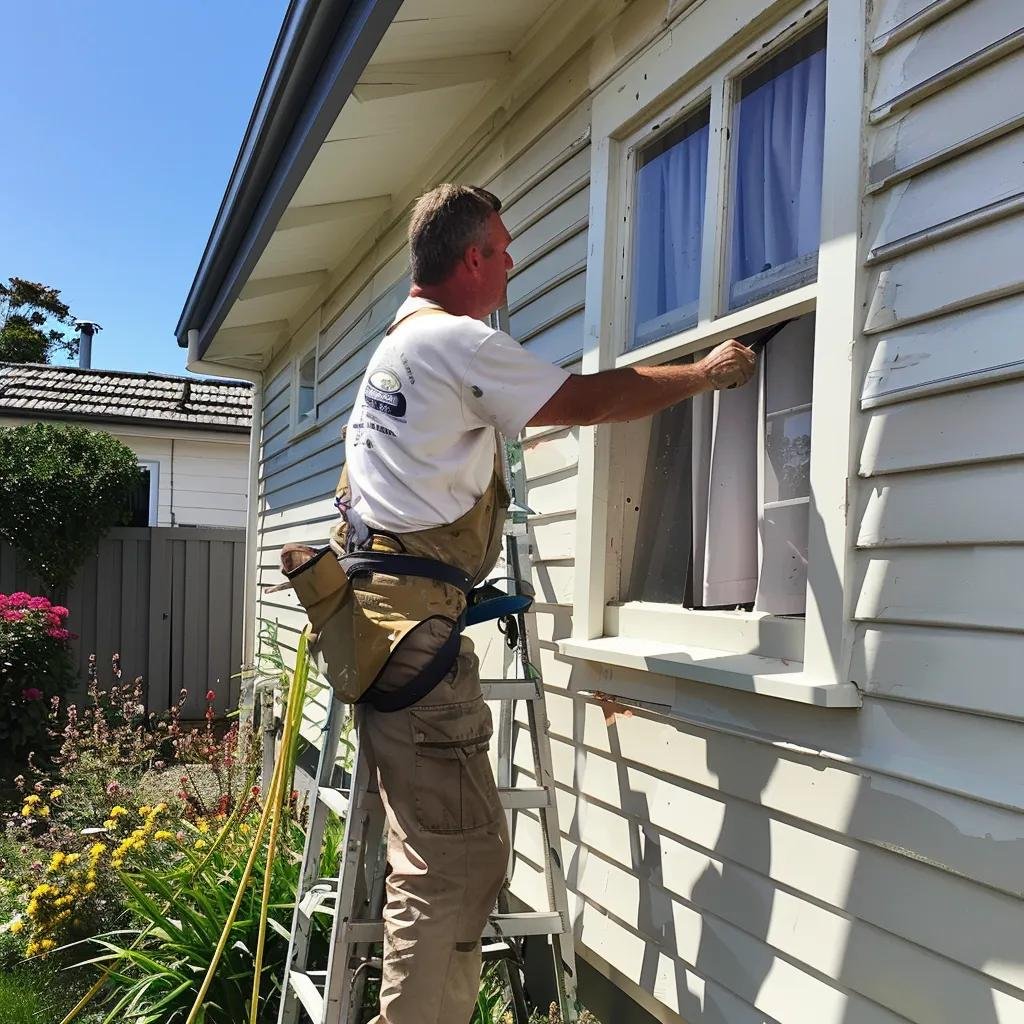
Preventing paint problems begins with understanding root causes and addressing moisture, preparation, and UV exposure before painting; well-timed repairs restore protection and prevent structural deterioration. Effective prevention includes ensuring surfaces are clean, dry, and well-primed, maintaining good drainage and flashings, and selecting appropriate paint systems for the substrate. When defects appear, use a cause-driven repair approach—remove loose paint, correct substrate issues such as rot or poor flashing, then prime and repaint using compatible materials.
The following table lists common defects, their causes, and recommended repairs to guide homeowners in prioritising interventions.
| Defect | Likely Cause | Recommended Repair |
|---|---|---|
| Peeling paint | Moisture ingress, poor adhesion, or painting over damp surfaces | Remove loose paint, identify moisture source, allow drying, prime with suitable primer, repaint |
| Cracking / Alligatoring | Aged brittle paint film or incompatible topcoat over soft undercoat | Scrape and sand affected area, apply flexible primer, use compatible exterior topcoat |
| Discolouration / Fading | UV degradation, pollution, or chalking | Clean surface, assess depth of fade; repaint with UV-resistant topcoat if severe |
| Mould / Algae staining | Persistent moisture and shade | Clean with biocide solution, improve ventilation/drainage, touch-up or repaint if substrate is exposed |
This problem-solution mapping clarifies when simple DIY fixes suffice and when underlying substrate repairs or professional carpentry are necessary.
What Causes Peeling, Cracking, and Discolouration in Exterior Paint?
Peeling typically follows moisture ingress, poor surface preparation, or failure to prime, which breaks adhesion between paint and substrate; cracking often results from rigid older coatings on expanding substrates or temperature-driven movement. Discolouration and fading stem from UV breakdown of pigments and binders, combined with pollutants and chalking where binders have degraded. Christchurch’s alternating moisture and strong sunlight can accelerate these processes, so understanding local stressors helps target preventive measures such as improved drainage, UV-resistant paints, and flexible coatings for timber. Recognising causes enables targeted repairs that remove the root problem rather than merely covering symptoms.
How to Repair and Touch Up Exterior Paint for Long-Lasting Protection
Repair starts by removing loose or flaking paint, sanding to feather edges, treating any rot or rust, filling gaps with exterior filler and caulk, then priming bare areas before repainting with matched topcoat to blend finish. For small touch-ups, clean and prime bare spots, apply two thin coats of matching exterior paint and feather edges to minimise visible seams; larger areas may need full recoat to ensure uniform weather resistance. Use appropriate primers and products compatible with your chosen topcoat—acrylic latex systems are common for flexibility and UV resistance (think Dulux Weathershield) —and consider professional help for structural timber or widespread failure. Implementing correct repair steps restores protective film integrity and delays the need for full repainting.
What Protective Measures Extend the Life of Exterior Paint?
Protective measures include selecting UV- and weather-resistant coatings, improving surface preparation, and addressing drainage and vegetation that trap moisture against cladding; together these strategies prolong exterior paint life and reduce repaint frequency. Simple home adaptations—awnings, planted shade, or targeted gutter and flashing maintenance—shield paint films from the most damaging exposures. Ensuring thorough preparation before any repaint—cleaning, drying, sanding, priming, and addressing substrate repairs—creates the conditions that allow modern paints to perform as specified. The following list summarises practical protective measures homeowners can implement to preserve finishes and defer costly rework.
Key protective measures that increase paint lifespan:
How Does UV Protection and Weather Resistance Affect Paint Longevity?
UV radiation breaks down paint binders and fades pigments by causing chemical changes in polymers and dyes, reducing adhesion and leading to chalking; weather-resistant formulations include stronger binders, UV stabilisers, and pigments designed to resist this breakdown. Selecting paints with proven UV resistance and appropriate finish (semi-gloss or satin for easier cleaning, flat for hiding imperfections) helps balance appearance and durability according to exposure and substrate. Practical measures such as using lighter colours on highly sun-exposed elevations and adding passive shading extend life further by reducing thermal and photochemical stress. Understanding these mechanisms guides paint selection and architectural choices that together preserve exterior paint longevity.
Why Is Proper Surface Preparation and Drainage Crucial for Paint Durability?
Proper surface preparation—cleaning, drying, repairing substrate, sanding, and priming—ensures good adhesion and creates a stable base for topcoats; inadequate prep is the leading cause of early failure because paint cannot form a durable bond to contaminated or damp surfaces. Effective drainage, correct flashing, and intact caulking prevent moisture from entering the substrate behind paint films, eliminating a primary driver of peeling and rot. Homeowners can perform basic checks of gutters, downpipes, and window flashings, and seal minor gaps with exterior-grade caulk; major structural issues or weatherboard repair needs should be handled by professionals to ensure lasting results. A final inspection post-repair ensures that prepared surfaces meet the conditions required for paint systems to perform as intended.
When and Why Should You Hire Professional Exterior Paint Care Services?
Hire professionals when tasks exceed safe DIY scope, when substrate repair or carpentry is needed, when working at height, or when you require a durable finish backed by a guarantee; professionals offer expertise, specialised equipment, and project management that protect both aesthetics and structure. Professionals provide meticulous preparation, controlled pressure-washing, expert weatherboard repair and carpentry, and application of premium paints in correct conditions to achieve durable results. When choosing a painting contractor, evaluate references, material choices such as Dulux or Resene, communication clarity, and warranty terms to ensure long-term protection.
What Are the Benefits of Professional Pressure Washing and Weatherboard Repair?
Professional pressure washing uses calibrated equipment and trained operators to remove heavy grime, moss, and biological growth without damaging paint films or underlying timber; technicians can adjust pressure and nozzle angles to suit each surface and reduce the risk of water ingress or fibre raising. Weatherboard repair by experienced teams addresses rot, loose boards, and defective fixings that, if left untreated, cause repeated paint failure; fixing the substrate before repainting saves time and money over repeated superficial painting.
Professionals also perform integrated tasks—cleaning, carpentry, priming, and finishing—in the correct sequence to deliver a durable, uniform finish and reduce the likelihood of early rework. When DIY measures are exhausted or structural concerns are present, professional intervention protects long-term paint performance and substrate integrity.
In cases where deep cleaning or delicate claddings are involved, Pro Decorators offers professional pressure washing tailored to the substrate and follows up with any necessary weatherboard repairs; their controlled approach reduces risk of damage and prepares surfaces correctly for repainting. Pro Decorators prioritise meticulous preparation and clear communication to achieve durable outcomes that save owners money over time.
How Does Pro Decorators’ 5-Year Guarantee and Use of Low VOC Paints Ensure Quality?
A 5-year guarantee signals a contractor’s confidence in workmanship and materials and provides homeowners with a measurable expectation of performance and recourse if issues arise within that timeframe. Using low-VOC paints reduces environmental and occupant health impacts while still offering modern formulations with good durability and weather resistance when selected appropriately for the substrate. Pro Decorators combine premium brand choices with meticulous surface prep and documented application practices to support warranty coverage and long-lasting finishes. For homeowners seeking local Christchurch expertise and reassurance, a contractor that couples guarantee terms with low-VOC products and careful preparation offers a compelling value proposition.
How to Choose the Best Exterior Paints for Christchurch Homes and Local Conditions?
Choosing exterior paints requires balancing UV resistance, flexibility for substrate movement, moisture tolerance, and VOC considerations to suit Christchurch’s mix of sun and moisture; acrylic latex formulations commonly provide the necessary flexibility and weather resistance for timber and many claddings. Brand selection such as Dulux or Resene offers broad product ranges tailored for New Zealand conditions, including specialised exterior lines and technical data to match cladding types and exposures. Consider finish, pigment quality, and warranty backing when selecting a system, and request product technical data sheets to confirm UV resistance, recommended primers, and dry-film thickness. The table below compares typical attributes to help match paint types and brands to your cladding and exposure.
| Paint Option | Key Attribute | Best Use |
|---|---|---|
| Dulux exterior acrylic | Durable binder, broad colour range | Weatherboard, timber, trim with high UV resistance |
| Resene exterior acrylic | Good UV and weather resistance, local availability | Stucco, timber, brick where flexible topcoats needed |
| Acrylic latex (generic) | Flexible, breathable, UV-resistant | Timber weatherboards and many claddings |
| Low-VOC formulations | Lower emissions, modern binders for health | Homes prioritising indoor/outdoor air quality and sustainability |
What Are the Advantages of Dulux and Resene Paints for Exterior Use?
Dulux and Resene supply product ranges developed for New Zealand conditions, offering options with strong UV resistance, durable binders, and matched primers to support adhesion on common claddings. Both brands provide technical data and exterior systems that can be specified to match timber, brick, stucco, or composite claddings, and their product lines include durable topcoats designed to resist chalking and fading in sun-exposed areas. Check technical data sheets for recommended surface preparation, drying conditions, and expected maintenance intervals to align expectations with performance. For homeowners who prefer professional application, Pro Decorators commonly use Dulux and Resene products and low-VOC options to balance durability with occupant health and sustainability.
How Do Eco-Friendly, Low VOC Paints Contribute to Health and Sustainability?
Low-VOC paints reduce volatile organic compound emissions during and after application, improving air quality for occupants and applicators while aligning with sustainable material choices that many homeowners now prefer. Modern low-VOC exterior formulations can offer comparable durability and UV resistance to traditional paints when matched correctly to the substrate and applied under recommended conditions; trade-offs may include slightly higher cost or limited sheen choices in some product lines.
Choosing low-VOC options makes sense for homes with sensitive occupants or where environmental impact is a priority, and professional applicators can advise on the best low-VOC products that still meet performance needs. Integrating low-VOC selection with careful surface prep and appropriate primers ensures long-term performance without sacrificing health benefits.
For a practical next step, homeowners wanting a no-obligation inspection, a local Christchurch perspective, and a clear quote can contact Pro Decorators for a free inspection and estimate; as a Christchurch-based, second-generation family-owned painting business they offer full-service exterior house painting with meticulous preparation, use of premium Dulux and Resene products, and a five-year guarantee to support long-term results.
In Conclusion
In conclusion, maintaining exterior paint for long-lasting beauty in Christchurch requires a comprehensive approach: start with detailed preparation and repairs to combat local climate challenges like UV fading and moisture damage, select high-quality, weather-resistant paints such as those from Dulux or Resene (including eco-friendly low-VOC variants), and commit to regular seasonal care with safe cleaning methods and professional expertise when needed to preserve aesthetics, boost durability, and avoid costly issues. For expert handling of complex exterior painting projects, contact Pro Decorators today for a free estimate and transform the exterior of your Christchurch home with confidence.



