

TL:DR


Signs Your Paint Needs Immediate Attention:
How to Identify and Act on Paint Problems
Paint that needs immediate attention shows clear visual and material cues — peeling, cracking, fading, blistering or mould — and those signs point to underlying problems that, if untreated, can damage substrates and harm indoor air quality. This article explains how to recognise the most common paint deterioration symptoms, why they matter for protection and street appeal, and what immediate steps homeowners can take to triage issues before they worsen.
You will learn simple inspection checks, understand the science behind fading and moisture-driven failures, and get practical treatment options for mould and structural moisture problems. The guide also covers surface-preparation tasks that extend paint life, compares repaint timing by substrate for Christchurch conditions, and outlines when to call in professional help. Throughout, the focus is on actionable recognition and response — from DIY triage to targeted professional services — so you can protect your home, health, and investment.
What Are the Most Common Signs Your House Paint Needs Repair?
The most common signs that paint needs repair are visible surface failures that indicate adhesion loss, barrier breakdown, or substrate damage. These signs include peeling, cracking, blistering, chalking and flaking — each symptom reveals a different mechanism such as moisture intrusion, UV degradation, or poor surface preparation. Identifying which symptom you see helps prioritise urgency: some issues need immediate intervention to stop rot, while others are cosmetic but reduce protection. Below is a concise list of top signs to scan for during an exterior or interior inspection, with a one-line action to help triage the problem quickly.
House paint can fail in several characteristic ways:
- 1Peeling: Large sections lift away from the substrate, often revealing bare wood or old paint beneath; requires inspection for moisture or adhesion failure.
- 2Cracking (Alligatoring): Surface shows networked cracks indicating old or brittle paint and possible lost elasticity; consider patching or full repaint.
- 3Fading / Chalking: Colour loss and powdery residue on the surface from UV breakdown; typically cosmetic but signals binder deterioration.
- 4Blistering: Bubbles or domes form where moisture or solvent vapour has lifted the film; probe immediately to check for trapped moisture.
- 5Mould / Staining: Dark or green growths and persistent staining that return after cleaning; indicates moisture and requires remediation.
These quick checks prepare you for further diagnosis, and the next step is to map each sign to recommended urgency and action so you can decide whether to clean, repair, or call a professional.
This table maps each common sign to clear visual cues and a recommended urgency and initial action.
| Sign | Visual cues | Recommended urgency / action |
|---|---|---|
| Peeling | Large flakes, exposed substrate, lifted edges | High — inspect for moisture, remove loose paint, assess substrate; likely professional prep |
| Cracking | Networked hairline or deep cracks across film | Medium — test adhesion; small areas may be patched, widespread cracking needs repaint |
| Fading / Chalking | Loss of colour, powdery residue on touch | Low–Medium — clean then test; monitor UV-exposed areas and plan repaint within years |
| Blistering | Dome-like bubbles, soft or hollow spots | High — investigate trapped moisture or heat; strip and repair underlying issue |
| Mould / Staining | Dark patches, fuzzy growth, musty odour | High — clean with appropriate biocide, check moisture source; recurring growth needs professional fix |
Understanding these signs lets you triage repairs effectively; the next section explains how peeling looks in detail and when DIY is appropriate.
How to Recognise Peeling House Paint Signs
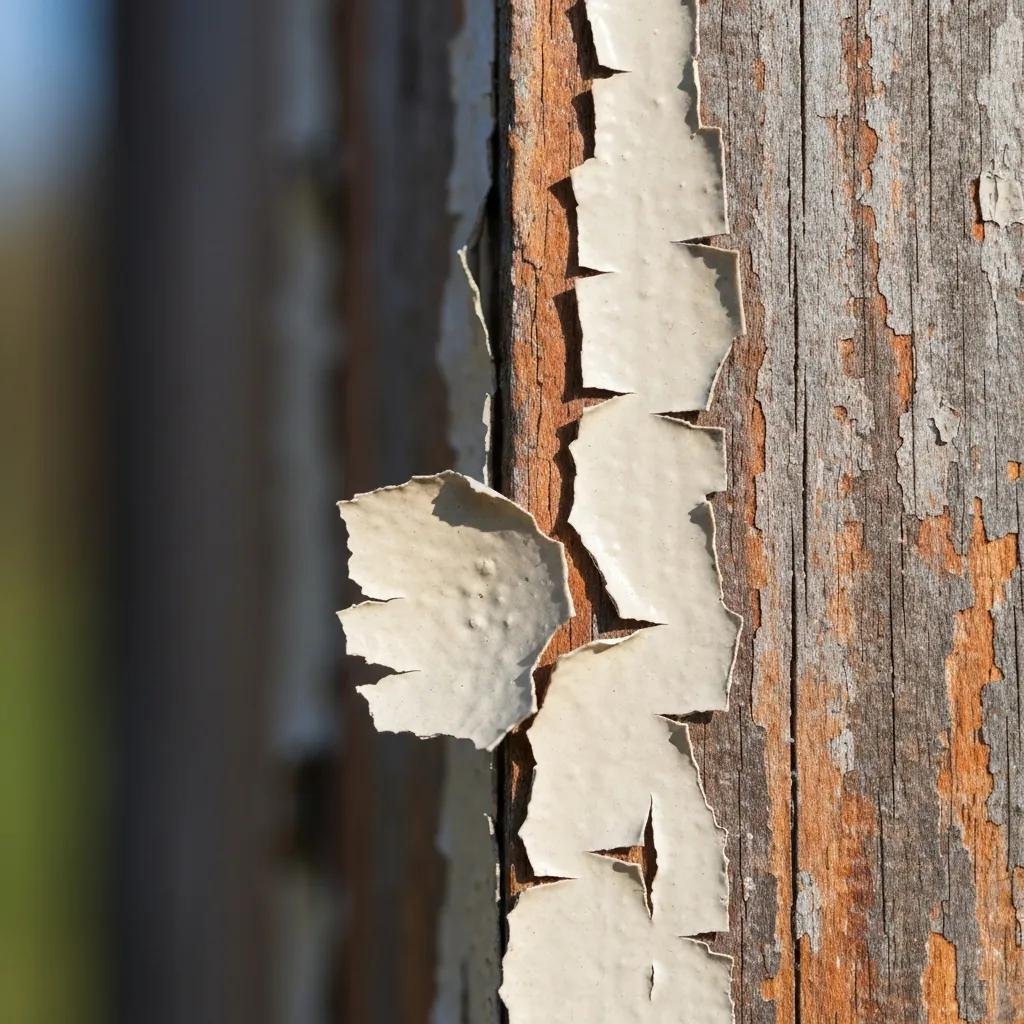
Peeling paint is the most obvious sign that the protective film has lost adhesion to the substrate and requires prompt attention. Visual cues include edge lifting, curling flakes, and areas where the substrate (weatherboard, cedar, brick or stucco) is exposed; a simple fingernail probe will reveal whether flakes lift easily or if multiple paint layers are detaching.
Common causes are moisture penetration behind the paint, poor surface preparation before the last job, or painting over glossy or dirty surfaces without proper sanding and priming. If peeling is isolated and substrate is sound, targeted scraping, sanding and spot-priming may suffice; however, widespread peeling or any sign of underlying rot or damp should prompt a professional inspection to prevent structural decay.
Recognising peeling leads to spotting similar but distinct failures such as cracking, which helps define whether repairs need patching or full repainting.
What Causes Cracked Exterior Paint and How to Spot It Early
Cracked or “alligatoring” paint arises when a paint film becomes brittle relative to underlying layers or when substrate movement stresses the coating. Causes include age, repeated layers without adequate sanding, thermal expansion of timber, or inadequate primer and flexible topcoats on substrates that move.
Early signs are hairline fissures that spread in a network; these often appear before full adhesion loss and can be probed to assess depth. Small, isolated cracks can be sanded and resprayed after correct preparation, but widespread cracking across large areas typically indicates the need for full removal of failed layers and a proper primer and topcoat system to restore flexibility and protection.
Why Is Fading Paint a Problem and When Should You Repaint Your Home?
Fading paint matters because pigment and binder breakdown from UV exposure reduces both aesthetic appeal and the coating’s protective performance. UV radiation breaks down paint binders, causing chalking, loss of gloss and gradual pigment washout; over time a faded finish can no longer shed water effectively or protect substrate fibres, accelerating material degradation.
Repaint timing depends on substrate and paint type, with high-UV exposure areas needing attention sooner; timely repainting restores barrier function and prevents costly substrate repairs. The following table compares typical repaint intervals for common surfaces in Christchurch conditions to help homeowners plan.
Below is a comparison of common exterior surfaces and expected repaint timeframes tailored to Christchurch climate exposure.
| Surface | Typical lifespan / Christchurch repaint timeframe | Notes |
|---|---|---|
| Timber weatherboards (paint) | 5–8 years | Sun and coastal exposure reduce life; regular maintenance extends interval |
| Cedar cladding (stain/paint) | 4–7 years | Natural oils and exposure vary results; inspection for weathering advised |
| Brick (painted) | 8–12 years | Masonry holds coatings longer but needs good substrate prep |
| Stucco / plaster | 6–10 years | Cracks betray substrate movement; reseal and repaint when surface fails |
How Does UV Radiation Cause Fading Paint Problems?
UV radiation degrades paint by breaking polymer chains in binders, which reduces cohesion and causes pigments to oxidise and lose colour. The visible outcomes are loss of gloss, surface chalking and weakened film integrity that invites moisture penetration and dirt accumulation. Light-coloured paints show pigment fade less dramatically but can still suffer binder breakdown; darker colours absorb more heat and may accelerate binder fatigue. Choosing UV-resistant formulations and appropriate pigments, along with regular cleaning and protective topcoats, slows this process and preserves both appearance and protection over time.
Understanding UV effects clarifies why timing matters, which leads to choosing the best months for repainting in Christchurch.
When Is the Best Time to Repaint Your Home in Christchurch?
The best time to schedule exterior painting in Christchurch is during the drier, mild months when temperatures and humidity are within paint manufacturer recommendations to ensure proper cure. Aim for periods with consistent daytime temperatures above the minimum specified for your product and avoid painting during heavy dew or forecast rain; this typically means late spring to early autumn windows offer favourable conditions.
For interiors, choose lower-humidity periods so paint solvents evaporate properly, and low-VOC products ventilate effectively. Planning ahead and booking reputable trades during ideal weather improves finish longevity and reduces the risk of premature failures.
Good scheduling reduces rework and extends paint life, and when moisture or mould appears between repaints you need immediate treatment as explained next.
How to Identify and Treat Mould on House Exterior Surfaces
Mould on exterior paint is distinct from dirt and usually indicates moisture retention at or beneath the paint film; recognising it early avoids health risks and substrate decay. Warning signs include dark green, black or grey patches, a fuzzy texture in shaded or north-facing areas, and a recurring return after cleaning — which suggests an unresolved moisture source. Immediate homeowner steps include gentle cleaning with appropriate cleaners, using PPE, and drying the surface; however recurring or extensive infestations often require professional remediation because mould can penetrate substrates and hide moisture pathways. The next subsection outlines warning signs and
An actionable cleaning and triage checklist helps homeowners handle initial mould sightings safely and effectively.
These steps let you assess whether mould is surface-level or symptomatic of deeper moisture; if cleaning removes stains but they return, professional moisture investigation is the next step.
What Are the Warning Signs of Mould and Mildew on Exterior Paint?
Warning signs that distinguish mould from other stains include dark or greenish growth with a textured or fuzzy appearance, a damp, musty odour nearby, and consistent occurrence in shaded, south-facing, or poorly ventilated eaves and gutters. Mould often reappears after rain where moisture is trapped and may be accompanied by soft or discoloured substrate when probed, which signals a deeper problem. Early homeowner checks should include looking behind gutters, under eaves and around window joinery for pooling water or failed flashings. Detecting these indicators early guides whether cleaning, sealing, or structural repair is required to stop recurrence.
The presence of mould and mildew on exterior paint can be a significant indicator of underlying moisture issues, which can lead to more serious paint failures and structural damage over time.
How Can Professional Services Prevent and Remove Mould Damage?
Professional mould remediation typically combines safe cleaning, targeted removal of contaminated coatings, pressure washing where appropriate, application of biocidal treatments, and repair of underlying moisture sources such as flashings or damaged substrate. Experienced teams identify whether mould is purely on the paint film or has penetrated into weatherboards, GIB or timber; remediation may include replacement of decayed sections, re-sanding, priming and application of suitable topcoats. Preventative measures from pros include improved ventilation, corrected drainage, and protective coatings designed for humid or shaded zones. For recurring problems, professionals also recommend addressing building-envelope issues that allow moisture ingress rather than repeatedly treating symptoms.
After remediation, preventing recurrence depends on correct surface preparation, which is covered in the next section.
What Are the Risks of Ignoring Paint Deterioration Signs?
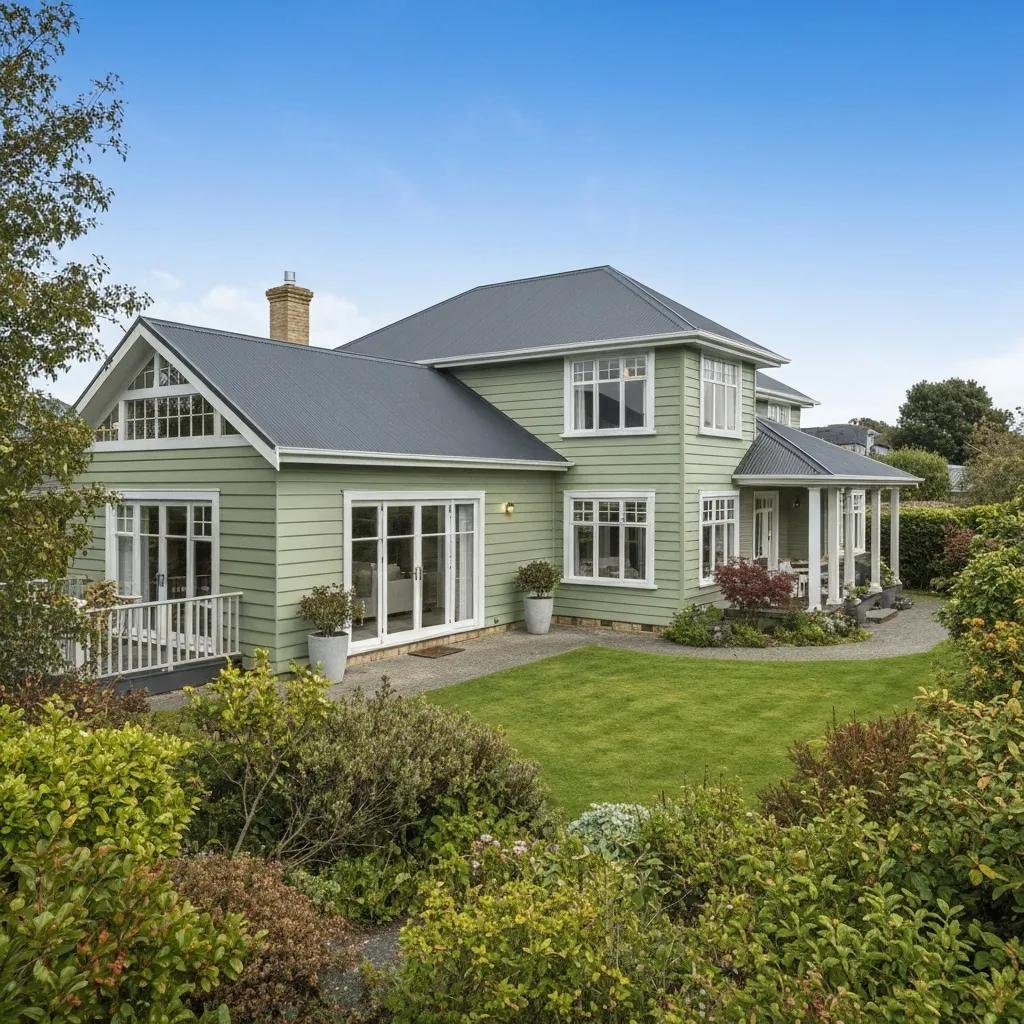
Ignoring paint deterioration risks escalating from cosmetic decline to structural damage, health hazards and increased repair costs. Paint acts as a protective coating; when it fails, moisture can penetrate leading to wood rot, substrate decay and corrosion on metal elements, any of which demand costly carpentry or structural repair. Health risks include mould proliferation that affects indoor air quality and aggravates respiratory conditions. Beyond safety, deferred maintenance reduces curb appeal and may decrease property value while making future restorations more invasive and expensive. The following list outlines the key categories of risk and their typical consequences.
Major risks of neglect include:
- 1Structural decay: Moisture-driven rot in timber framing or cladding that requires carpentry repair.
- 2Health hazards: Persistent mould growth that can affect occupants' respiratory health.
- 3Financial impact: Larger repair bills and reduced resale value from prolonged neglect.
Recognising the link between paint failure and deeper problems leads to investigating moisture mechanics covered next.
How Does Moisture Cause Paint Failure and Structural Damage?
Moisture causes paint failure through penetration, condensation and entrapment, each producing different damage pathways: penetration from the outside soaks substrates, condensation forms inside cavities and leads to blistering, while trapped moisture beneath a film can lift paint and create rot. Signs that moisture has affected the substrate include soft or spongy timber, discoloured or stained GIB, and recurring blistering after rain. Left unchecked, moisture fosters fungal decay and weakens fastenings, compromising structural integrity. Professional investigation and repair — fixing flashings, sealing joints and replacing decayed sections — are essential when moisture signs extend beyond the paint surface.
What Are the Health and Property Risks of Neglected Paint Problems?
Neglected paint failures increase the likelihood of mould growth that releases spores into indoor air, potentially triggering allergies, asthma and other respiratory issues in sensitive occupants. Property risks include accelerated material breakdown, deteriorating insulation performance, and compromised weatherproofing that raises long-term maintenance costs. In worst cases, insurers or buyers may deem neglected homes higher risk, affecting cover or sale price. Proactive inspection and modest early repairs typically prevent these outcomes and keep maintenance costs predictable rather than reactive and large-scale.
Addressing these risks relies heavily on proper surface preparation, which directly extends paint life and is explained next.
How Can Proper Surface Preparation Extend the Life of Your Paint?
Proper surface preparation creates the conditions for paint adhesion and long-term performance by removing contaminants, stabilising substrates and sealing joints before coatings are applied. Key prep tasks — cleaning, sanding, caulking, GIB repair, carpentry and pressure washing — remove loose material and create a sound surface that paint can bond to, which dramatically reduces premature failures like peeling and cracking. A systematic prep workflow increases the lifespan of a repaint and maximises the return on investment by ensuring primers and topcoats perform as intended. The following table links common prep tasks to their direct benefits so you can see how each step contributes to durability.
Below is a table mapping preparation tasks to their primary benefits and expected outcomes.
| Prep Task | Benefit / Outcome | Typical result |
|---|---|---|
| Pressure washing | Removes dirt, mould and chalking | Clean surface for adhesion |
| Sanding | Creates mechanical key and removes loose paint | Improved primer bond |
| GIB repair / patching | Restores substrate integrity | Smooth, stable interior finish |
| Carpentry repairs | Replace rotten or warped timber | Solid substrate for coatings |
| Caulking & sealing | Stops moisture ingress at joints | Reduced water-driven failure |
Properly executed preparation reduces rework and extends the protective life of the coating, and the next paragraph outlines why each of these steps is critical in practice.
Why Is Surface Preparation Critical for Lasting Paint Jobs?
Surface preparation is critical because paint is only as effective as the surface it adheres to: good prep ensures adhesion, prevents entrapment of moisture and contaminants, and allows primers and topcoats to cure uniformly. Common DIY mistakes — painting over loose paint, failing to prime bare timber, or skipping repairs to rotten substrate — almost always shorten the new finish's lifespan. Professional preparation addresses these mistakes through systematic inspection, removal of compromised layers, and restoration of substrate soundness; this upfront investment prevents recurring failures and preserves warranty coverage where applicable. Ensuring correct preparation also allows modern low-VOC paints to perform optimally, balancing health considerations and durability.
Connecting preparation to practical services clarifies what tasks professionals perform to achieve these benefits.
What Services Does Pro Decorators Offer to Fix Paint Issues?
Pro Decorators, a second-generation family-owned painting company based in Christchurch, offer a range of surface-preparation and finishing services tailored to common paint problems. Their practical services include pressure washing to remove chalk and biological growth, sanding and paint-stripping for adhesion restoration, GIB repair for interior substrate fixes, and carpentry to replace or stabilise rotten or warped timber. These tasks are followed by correct priming and finishing coats using non-toxic low-VOC products that are family, child and pet safe, and their work is supported by a five-year guarantee that gives homeowners confidence in the result. These service components directly address the root causes of paint failure and extend the life of the new coating.
When to Call a Professional Painter for Your Christchurch Home
Homeowners should schedule professional painting when visible deterioration crosses from cosmetic to protective failure, when mould returns after cleaning, or when substrate softness is discovered — each trigger indicates deeper issues that benefit from trade-level diagnosis. Regular inspection cadence is also practical: perform a visual exterior check annually and a more thorough review every 3–5 years for timber surfaces; repaint intervals vary by material as shown earlier. Booking professionals during ideal weather windows in Christchurch helps ensure proper curing and reduces the chance of rework, and early intervention often saves money compared with waiting for structural repairs. The checklist below helps homeowners decide when to inspect and when to call in professional services.
Use this inspection and scheduling checklist to guide decisions:
Regular checks and timely professional scheduling preserve paint performance and protect assets, leading into the final subsection covering benefits of choosing a local, reputable team.
How Often Should You Inspect and Repaint Your Home’s Exterior and Interior?
Inspect exteriors annually and perform a comprehensive assessment every 3–7 years depending on cladding type and exposure, while interiors typically need repainting every 5–10 years based on wear and room use. High-exposure elements such as north-facing walls, coastal sites, and roofline timbers require closer attention and may need intervention sooner than sheltered facades.
Between repaints, perform basic maintenance: clear gutters, touch up caulking and clean mould-prone areas to prolong intervals. A proactive inspection schedule reduces emergency repairs and maintains the protective performance of coatings across seasons. Regular inspections make it easier to decide whether to engage professionals, and the next subsection outlines what a local specialist brings to the job.
What Are the Benefits of Choosing Pro Decorators for Your Painting Needs?
Pro Decorators bring Christchurch-specific experience and a service set designed to solve the exact problems described here, combining comprehensive prep work with low-VOC product choices and a five-year guarantee. As a family-owned local company, they emphasise professionalism, punctuality and clear communication throughout a project to reduce homeowner disruption and ensure workmanship standards.
Their services — from pressure washing and sanding to GIB repair, carpentry and both interior and exterior painting — are structured to address the root causes of paint failure rather than masking symptoms. For homeowners wanting a local provider who prioritises health and durability, these attributes reduce the chance of recurring problems and protect long-term value.
For homeowners ready to act, Pro Decorators offer free inspection estimates and scheduling on a local Christchurch basis; their five-year guarantee provides added peace of mind when professional intervention is appropriate.
Address high-risk spots immediately; small repairs can defer full repainting, but widespread failures warrant a full preparation and repaint.
Yes — modern low-VOC paints provide strong durability when applied over correct preparation and offer health advantages for occupied homes.
If you find soft substrate, recurring mould, large-scale peeling or persistent blistering, schedule a professional inspection promptly.
When to Call a Professional Painter for Your Christchurch Home
In conclusion, identifying and addressing paint distress signals early—such as peeling, cracking, fading, blistering, or mould—in Christchurch's variable weather prevents escalation into costly structural or health issues; prioritise meticulous preparation like pressure washing and GIB repairs, adhere to substrate-specific repaint schedules using low-VOC products, and engage professionals like Pro Decorators for expert assessments, warranties, and flawless results that enhance home protection and aesthetics. Contact Pro Decorators today for a free estimate and transform your Christchurch home with confidence.



